

You should clean a stick vacuum brush every 1 to 2 weeks, and more often if you vacuum lots of hair.
A stick vacuum brush works hard every time you clean, and I’ve learned the hard way that a dirty brush can quietly ruin performance. If you want stronger suction, better pickup, and less strain on the motor, knowing how often should you clean a stick vacuum brush matters more than most people think.

How often should you clean a stick vacuum brush?
The short answer is simple: clean your stick vacuum brush every 1 to 2 weeks if you use it regularly. If you have pets, long hair, thick rugs, or kids who track in crumbs and dirt, weekly cleaning is often best.
From experience, waiting too long usually leads to one of three problems:
- The brush stops spinning as freely
- Hair wraps tighter around the roller
- Dust and debris build up and reduce suction
For light use in a small apartment, every 2 weeks may be enough. For busy homes, especially with pets, how often should you clean a stick vacuum brush becomes a more frequent question, and the answer is usually “sooner than you think.”
Why the brush roller needs regular cleaning
The brush roller is the part that grabs dirt from floors and carpets. When it gets clogged, your vacuum has to work much harder.
Here’s what happens when you skip cleaning:
- Hair wraps around the brush and blocks movement
- Dust cakes near the ends and bearings
- The motor may run hotter
- Battery life can drop on cordless models
- Cleaning results get weaker, especially on carpet
I once ignored a brush roller for a few weeks after vacuuming a shedding dog’s fur. The vacuum still turned on, but it clearly wasn’t cleaning well. After removing the wrapped hair, the difference was obvious right away.
Best cleaning schedule based on how you use your vacuum
How often should you clean a stick vacuum brush depends on your home, your floors, and what you pick up most often. A simple schedule can help.
If you have pets
Clean the brush every week. Pet hair wraps fast, and it can build up around the roller and side caps.
If you have long hair in the household
Clean it weekly or even after a few heavy uses. Long strands tangle fast and are one of the biggest causes of roller drag.
If you mostly clean hard floors
Clean every 2 weeks. Hard floors usually create less tangling, but dust and fine grit still collect.
If you vacuum carpets often
Clean every week. Carpet fibers, lint, and hair combine into a mess that can slow the brush down.
If you use the vacuum lightly
Clean every 2 to 4 weeks. If your vacuum sees only small messes, the brush may stay cleaner longer.
Signs your stick vacuum brush needs cleaning now
Even if you are not following a strict schedule, the brush will give you clues.
Watch for these signs:
- Suction feels weaker than usual
- The brush makes a louder or rougher sound
- Hair or string is visible around the roller
- The vacuum leaves debris behind
- The brush no longer spins smoothly
– The machine smells warm or dusty after use
If you notice these signs, do not wait. Cleaning the brush can often fix the issue before it becomes a bigger repair.
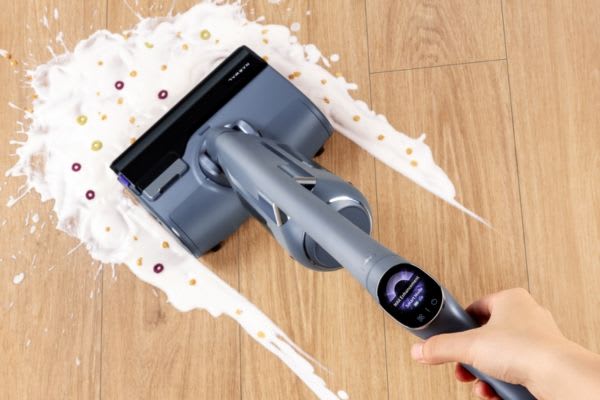
How to clean a stick vacuum brush safely
A clean brush does not need a complicated process. I usually keep it simple and careful.
- Turn off and unplug the vacuum or remove the battery.
- Take out the brush roller if your model allows it.
- Cut away wrapped hair with scissors or a seam ripper.
- Pull off loose debris by hand.
- Wipe the roller, end caps, and brush housing with a dry or slightly damp cloth.
- Let all parts dry fully before reinstalling.
- Check that the roller spins freely before using the vacuum again.
Do not soak the brush roller unless your manual clearly says it is safe. Some parts, especially bearings and motorized housings, can be damaged by too much moisture.
Mistakes to avoid when cleaning the brush
I’ve seen a few common mistakes come up again and again. They seem small, but they can shorten the life of the vacuum.
- Using too much water on non-washable parts
- Forgetting to remove tangled hair from the ends
- Reinstalling the brush before it is fully dry
- Cutting the bristles by accident while removing hair
- Ignoring the bearings and side caps where debris hides
A lot of people focus only on the visible hair in the middle of the roller. In my experience, the gunk near the ends is often what causes the real problem.
How brush cleaning affects suction and battery life
A clogged brush does more than make the vacuum look dirty. It can also affect how the whole machine works.
When the roller is dirty, airflow may drop. That means:
- Less suction at the floor
- More passes needed to clean the same spot
- More battery drain on cordless vacuums
- More wear on the motor over time
This is one reason how often should you clean a stick vacuum brush is not just a maintenance question. It is also a performance question. A clean brush helps the vacuum do its job with less effort.
How to make brush cleaning easier
A few habits can save a lot of time.
- Empty the dustbin after each use
- Check the brush roller once a week
- Use a comb or cleaning tool for hair
- Trim long threads before they wrap tightly
- Store the vacuum where you can see the roller easily
I like to do a quick check after vacuuming pet areas. It takes less than a minute and usually prevents bigger cleanups later.
How often should you clean a stick vacuum brush if you use it daily?
If you use your stick vacuum every day, clean the brush at least once a week. In homes with pets or long hair, every few days may be better.
Daily use creates faster buildup, even if the vacuum only picks up light dust. A quick weekly check is usually enough to keep things running smoothly.
How often should you clean a stick vacuum brush if you rarely use it?
If you only vacuum once in a while, clean the brush every 3 to 4 weeks, or before storing it for a long time. Dust can still settle on the roller even when the vacuum is not in use.
If the vacuum sat unused for months, inspect the brush before the next cleaning session. A little preventive care can stop a noisy start or a jam.
Frequently Asked Questions of How often should you clean a stick vacuum brush?
How do I know if my stick vacuum brush is clogged?
You may notice weaker suction, poor pickup, or hair wrapped around the roller. The brush may also sound louder or struggle to spin.
Can I clean my stick vacuum brush with water?
Only if the manufacturer says the brush roller is washable. Many rollers can be wiped clean, but the motorized housing and bearings should not be soaked.
Why does my stick vacuum smell bad?
A dirty brush can trap hair, dust, and debris, which may create a stale smell. Cleaning the brush and dustbin often helps, along with checking for trapped debris in the nozzle.
Does cleaning the brush improve battery life?
Yes, it can help. When the brush spins freely, the motor usually works less hard, which may improve runtime on cordless models.
Should I clean the brush more often if I have pets?
Yes, definitely. Pet hair wraps quickly and can clog the roller in just a few uses, so weekly cleaning is a smart habit.
Conclusion
How often should you clean a stick vacuum brush? For most homes, every 1 to 2 weeks is the sweet spot, but pet owners and heavy users may need to clean it even more often. The cleaner the brush, the better the suction, the easier the cleanup, and the longer your vacuum can keep doing its job.
If you want better results with less effort, make brush cleaning part of your regular routine. Check your roller this week, clear any buildup, and keep your vacuum working like it should. If you found this helpful, explore more home care tips or leave a comment with your own cleaning routine.

