

You replace a stick vacuum brush roll by removing the old roll, cleaning the housing, and installing the correct replacement.
If your stick vacuum is losing pickup, tangling hair fast, or leaving debris behind, the brush roll is often the culprit. I’ve dealt with that exact problem many times, and the fix is usually simpler than people expect. In this guide, I’ll walk you through how to replace a stick vacuum brush roll step by step, what tools you may need, common mistakes to avoid, and how to keep the new one working longer.
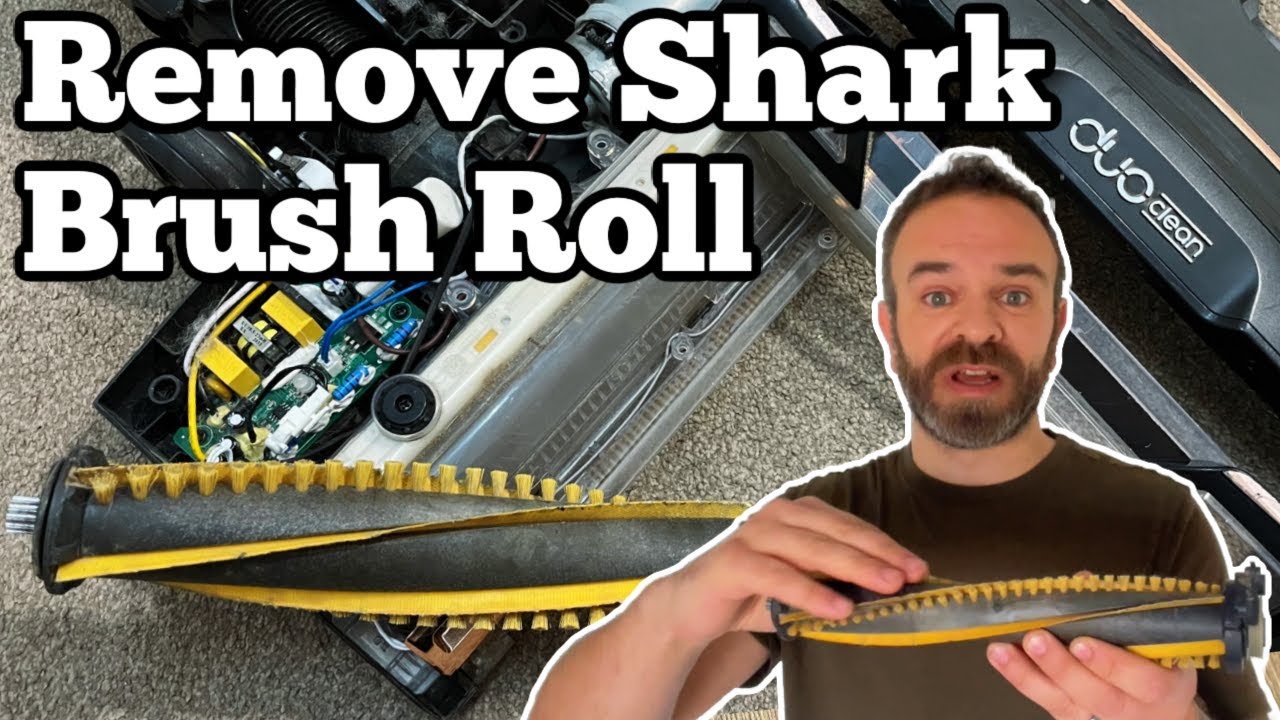
What a stick vacuum brush roll does
The brush roll is the spinning bar inside the floor head that helps loosen dirt from carpet and sweep debris into the suction path. On many stick vacuums, it also helps agitate pet hair, lint, and dust from low-pile rugs and hard floors.
When it wears out, you may notice:
- Weak cleaning performance
- Strange noises
- Hair wrapped tightly around the roller
- Visible cracks, worn bristles, or a roller that does not spin smoothly
A worn brush roll can make the whole vacuum feel tired, like the machine is working but not really doing its job. Replacing it can restore a lot of performance without buying a new vacuum.

Signs you need to replace the brush roll
Before you replace anything, it helps to confirm the brush roll is actually the issue. In my experience, people often blame the battery or motor first, but the floor head is usually the real trouble spot.
Look for these signs:
- The bristles are bent, missing, or worn down
- The brush roll spins unevenly or not at all
- You hear clicking, grinding, or squealing
- Hair and string are wrapped so tightly that cleaning does not help
- The vacuum leaves debris behind, especially on carpet edges
- The roller has cracks or wobble in the shaft
If the belt is loose, broken, or stretched on your model, that can cause similar symptoms. So it is smart to inspect both parts before ordering a replacement.
What you need before replacing a stick vacuum brush roll
Most stick vacuum brush roll replacements are simple, but a little prep saves time. I always recommend checking the model number first, because the wrong brush roll is one of the most common mistakes.
Gather these items:
- Your vacuum’s model number
- The correct replacement brush roll
- A small screwdriver if your model uses screws
- Scissors or a seam ripper for tangled hair
- A clean cloth
- Gloves, if hair and dust bother your hands
If you are unsure about the exact part, match the roller by shape, length, end cap style, and connector design. Many brands use similar-looking parts that are not actually interchangeable.
How do you replace a stick vacuum brush roll?
Here is the safest and most reliable method I use on most stick vacuums.
1. Turn off and unplug the vacuum
Remove the battery if your stick vacuum has a removable pack. This matters more than people think, because some models can still power up if the trigger is bumped.
2. Remove the floor head
Detach the cleaning head from the wand or body. This gives you better access and reduces the chance of damaging the vacuum while you work.
3. Open the brush roll cover
Most stick vacuums have a bottom plate, a latch, or a small set of screws. Use the correct screwdriver if needed, and keep the screws in a small cup so they do not disappear into the carpet.
4. Slide out the old brush roll
Lift the roller out carefully. On some models, one end pops out first. On others, you may need to tilt it slightly to free the belt or drive end.
5. Clean the housing
This step is easy to skip, but it makes a big difference. Remove hair, dust clumps, and grit from the brush chamber, end caps, and belt path.
6. Inspect the belt or drive system
If your vacuum uses a belt, check for cracks, looseness, or melting. If the brush is powered by a direct drive motor, inspect the connector points for dust or debris.
7. Install the new brush roll
Place the new roller into the housing in the same direction as the old one. Make sure the end caps sit fully in their slots and the brush spins freely by hand.
8. Reassemble the cover
Put the bottom plate or cover back on and tighten the screws evenly. Do not overtighten, since many vacuum housings are made of lightweight plastic.
9. Test the vacuum
Reconnect the battery or plug the unit back in. Turn it on and check for smooth spinning, normal sound, and proper floor contact.
If it runs quietly and picks up debris again, you did it right.

How to choose the right replacement brush roll
Choosing the correct part is just as important as installing it. I have seen people order a roller that looks close enough, only to find the diameter, end caps, or drive connection are off by a few millimeters.
Check these details:
- Vacuum brand and exact model number
- Brush roll length
- End cap shape and size
- Belt compatibility
- Hard floor, carpet, or multi-surface design
- Motorized or passive roller style
If your home has pets, look for a brush roll designed for hair pickup or tangle resistance. Some rollers use softer bristles for hard floors, while others are firmer for carpet agitation.
Common mistakes to avoid
This job is simple, but a few small mistakes can create new problems.
Avoid these errors:
- Buying the wrong part based on appearance alone
- Forgetting to unplug the vacuum or remove the battery
- Leaving hair or debris inside the brush chamber
- Forcing the roller into place when it does not fit cleanly
- Ignoring a worn belt or damaged end cap
- Overtightening screws and cracking the plastic housing
One lesson I learned the hard way: if a roller does not slide in smoothly, stop and check alignment. Forcing it usually means something is out of position, and that can damage the housing or the new part.
How often should you replace a stick vacuum brush roll?
There is no single rule, because it depends on how often you vacuum, what your floors are like, and whether you deal with pet hair. In normal homes, a brush roll may last a long time if it is cleaned well and not abused.
You may need replacement sooner if:
- You vacuum daily
- You clean up long hair often
- You have multiple pets
- You use the vacuum on rough rugs or gritty floors
- The vacuum head gets clogged frequently
As a practical habit, inspect the brush roll every few months. If bristles are flattened or the roller no longer spins well after cleaning, replacement is usually the better choice.
How to make a new brush roll last longer
A replacement brush roll should not fail quickly. A little upkeep goes a long way, and I have seen well-maintained rollers last far longer than neglected ones.
Try these habits:
- Cut away hair before it wraps tightly
- Clean the brush head every few uses
- Empty the dustbin before it gets packed full
- Avoid vacuuming up cords, ribbon, or large debris
- Check for stuck threads and carpet fuzz
- Store the vacuum in a dry place
Think of the brush roll like shoe soles. If you let grit build up and never clean them, they wear out faster and perform worse. Regular care keeps them working like they should.
When replacement may not solve the problem
Sometimes the brush roll is not the only issue. If you replace it and the vacuum still underperforms, the cause may be elsewhere.
Possible problems include:
- A weak battery
- Clogged filters
- Blocked suction channels
- A broken belt or motor
- Worn bearings in the floor head
- Dirty dustbin seals
In those cases, the brush roll is only one piece of the puzzle. A full inspection often saves you from replacing parts randomly.
Frequently Asked Questions
How do you replace a stick vacuum brush roll without tools?
Some stick vacuums use a quick-release latch, so you can open the brush cover by hand. Once the cover is off, lift the old roller out and drop the new one in the same way.
How do you replace a stick vacuum brush roll if hair is wrapped around it?
Cut the hair carefully with scissors or a seam ripper before removing the roller. If the wrap is severe, remove the brush roll first so you can clean it more safely and avoid damaging the end caps.
How do you replace a stick vacuum brush roll on a cordless vacuum?
First remove the battery or turn the vacuum off completely. Then open the floor head, take out the old roller, insert the new one, and test the brush action before using it on the floor.
How do you know if the brush roll or belt needs replacement?
If the brush roll is cracked, bent, or missing bristles, replace the roller. If the roller is fine but does not spin properly, the belt or drive system may be the real issue.
How do you replace a stick vacuum brush roll on pet hair models?
Pet hair models usually have the same basic process, but they may have extra locks or a tangle-resistant design. Clean the housing well before installing the new part, since pet hair can jam the ends and reduce performance.
How do you replace a stick vacuum brush roll safely?
Always disconnect power first, use the correct part for your model, and avoid forcing anything into place. A careful fit protects both the brush roll and the floor head from damage.
Conclusion
Replacing a stick vacuum brush roll is one of those repair jobs that feels intimidating at first, but it is usually quick once you know the steps. The big wins are choosing the right replacement, cleaning the brush housing well, and checking for related wear like a bad belt or clogged head.
If your vacuum is losing power at the floor, this is often the fix that brings it back to life. Take a few minutes to inspect your model, swap in the correct part, and keep it clean going forward. If you found this guide helpful, explore more vacuum care tips or leave a comment with your vacuum model and I’ll help you think through the next step.

