

Your stick vacuum brush usually stops because of a clog, tangled hair, a worn belt, or a brush roll safety shutoff.
A stick vacuum is supposed to make cleaning feel easy, not turn into a guessing game. When the brush stops spinning, the problem is often simple once you know where to look, and I’ve seen that most cases come down to airflow issues, jammed bristles, or a motorized head that needs a reset. In this guide, I’ll walk you through the real reasons your stick vacuum brush stops spinning, how to diagnose it fast, and what to do before you call for repairs.
Why your stick vacuum brush stops spinning
The brush roll is the part that lifts dirt, pet hair, and debris from carpets and rugs. In many stick vacuums, it is powered by a small motor, a belt, or a direct-drive system. If any part of that chain is blocked, loose, or overheated, the brush may stop moving.
From experience, the brush usually stops for one of a few common reasons:
- Hair or string is wrapped around the brush roll
- A clog is blocking airflow in the wand, hose, or floor head
- The belt is stretched, broken, or slipped off
- The vacuum is set to the wrong floor mode
- The brush roll motor has overheated and shut off
- A sensor, switch, or battery issue is interrupting power
These problems are common across cordless vacuum cleaners, upright vacuums, and motorized floor heads. The good news is that many of them are easy to fix at home.

Common reasons the brush roll stops spinning
Hair and debris wrapped around the brush
This is the most common cause I’ve seen. Long hair, pet fur, carpet fibers, and threads can wind tightly around the brush roll and slow it down until it stops.
When that happens, the vacuum may still suction, but the brush cannot turn freely. You may also hear the motor strain or notice a burning smell if the brush has been stuck for a while.
What to do:
- Turn the vacuum off and unplug it or remove the battery
- Remove the brush cover
- Cut away hair and fibers with scissors or a seam ripper
- Spin the brush by hand to check if it moves smoothly
A clean brush roll often brings the vacuum back to life right away.
Clogged wand, hose, or intake path
A stuck brush can also be a warning sign that air is not moving the way it should. Stick vacuums depend on strong suction to keep debris moving through the system, and a blockage can trigger a shutoff or reduce brush power.
Check these areas:
- Floor head intake
- Wand tube
- Dust bin inlet
- Filters
- Any bend or joint in the airflow path
One simple test I like to use is removing the wand and checking suction at each section. If airflow is weak in one spot, that is usually where the clog lives.
Broken or slipping belt
Some stick vacuums use a belt to transfer power to the brush roll. If the belt becomes loose, cracked, or broken, the brush will not spin even if the motor is running.
Signs of a belt problem include:
- A squealing sound
- A burning rubber smell
- Brush movement that starts and stops
- No brush rotation at all
If your model has a belt, inspect it for wear. Belts are inexpensive, but they matter a lot. A worn belt is like a bike chain that keeps slipping off the gears.
Brush roll is jammed or damaged
Sometimes the brush itself is the problem. If the roller is bent, broken, or packed with debris inside the end caps, it may bind up and stop turning.
Look for:
- Cracked bristles
- End cap damage
- Grit or dust packed around the spindle
- A brush that feels rough when you spin it by hand
If the roll does not spin easily outside the machine, it probably needs cleaning or replacement.
Wrong cleaning mode or surface setting
Many stick vacuums have different modes for carpet, hard floors, or boost cleaning. On some models, the brush roll only spins in certain modes.
If the brush is not turning, check whether:
- The vacuum is in hard floor mode
- The brush roll switch is off
- The suction head is not fully attached
- The machine needs to be set to carpet mode
I’ve seen people think their vacuum was broken when it was just in the wrong setting. It happens more often than you’d think.
Overheating protection has kicked in
Most modern stick vacuums have thermal protection. If the brush motor or main motor gets too hot, the vacuum may stop spinning the brush to protect the machine.
This can happen if:
- The brush is clogged
- The filter is dirty
- The dust bin is overfilled
- The motor is working too hard on thick carpet
Let the vacuum cool down for 20 to 30 minutes, then clean the filters and brush before restarting.
Battery or power delivery issues
Cordless stick vacuums rely on stable battery power. If the battery is weak, not seated properly, or failing, the brush may stop even if the vacuum still turns on.
Check for:
- Low battery charge
- Dirty battery contacts
- Battery not locked in place
- A battery that drains too fast or overheats
A weak battery can act like a shaky power supply. The vacuum may work for a minute, then cut out when the brush needs more power.
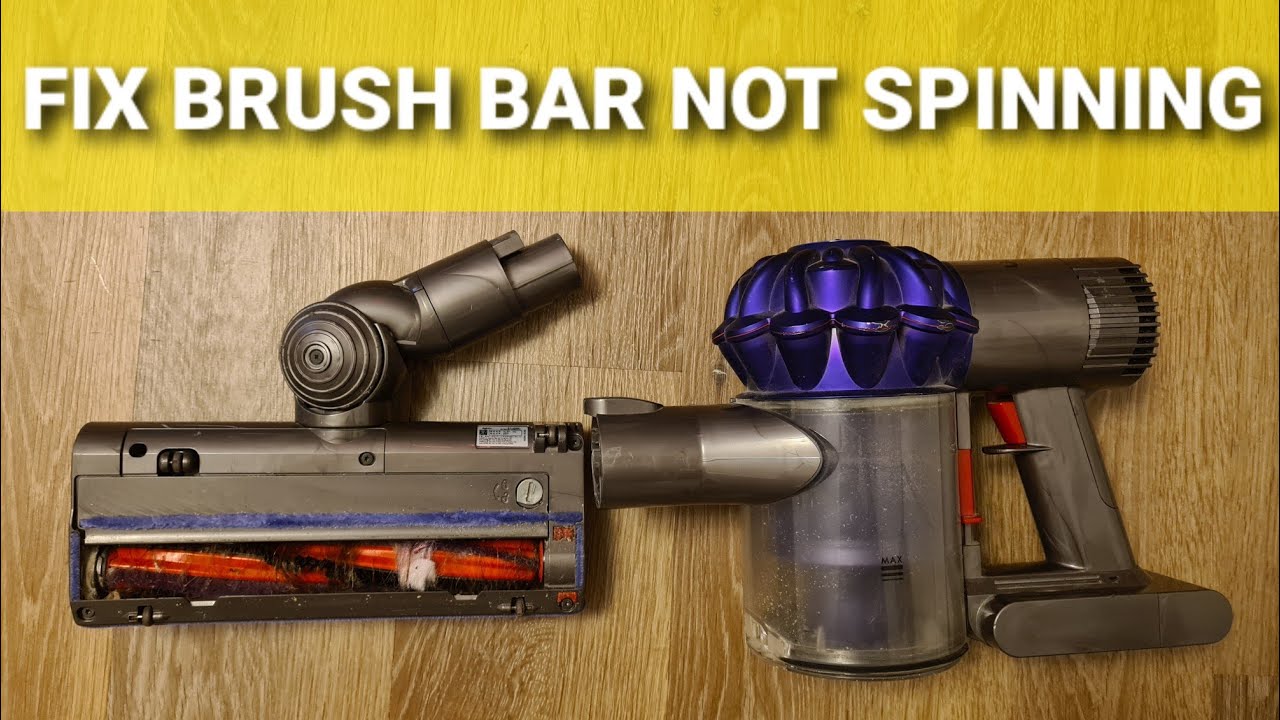
How to diagnose the problem step by step
When a stick vacuum brush stops spinning, the fastest fix is usually a simple process of elimination. I always recommend starting with the easiest checks first.
1. Turn it off and remove power
Safety first. Unplug the vacuum or remove the battery before touching the brush head.
2. Check the brush roll by hand
Spin the roller with your fingers. If it feels stiff, gritty, or stuck, there is likely hair, thread, or debris wrapped around it.
3. Inspect the floor head and wand
Look inside the intake path for clogs. A flashlight helps a lot here.
4. Clean the filters
Dirty filters can reduce airflow and cause overheating or poor brush performance. Wash or replace them based on the manufacturer’s instructions.
5. Test another cleaning mode
Switch between carpet and hard floor settings. If the brush starts spinning in one mode but not another, the issue may be a setting or switch.
6. Check the battery and contacts
If your vacuum is cordless, make sure the battery is fully charged and seated tightly. Wipe the metal contacts with a dry cloth if they look dusty.
7. Inspect the belt or drive system
If your model uses a belt, look for damage or looseness. If it has a direct-drive brush head, listen for the motor running without brush movement.
This step-by-step approach saves time and helps you avoid replacing parts you do not need.
What I’ve learned from real-world vacuum repairs
One thing I learned after testing and cleaning many stick vacuums is that the brush roll often gets blamed too quickly. In reality, the brush is usually fine, and the problem sits one layer deeper, like a clog, a dirty filter, or a worn belt.
A big mistake people make is forcing the brush to keep running when it is jammed. That can strain the motor and make a small fix turn into a bigger repair. Another mistake is ignoring filter maintenance. A vacuum can still sound alive while quietly losing performance.
My practical rule is simple:
- Clean the brush before every deep-cleaning cycle if you have pets
- Empty the dust bin before it gets packed full
- Wash or replace filters on schedule
- Check the brush head once a week if you use the vacuum daily
Small habits keep the machine running like new much longer.

How to fix a stick vacuum brush that stopped spinning
Clean the brush roll
Remove all visible hair, lint, and string. If the roller has removable end caps, clean those too.
Remove the clog
Detach the wand, hose, and floor head one at a time. Clear any blockages and make sure air can move freely.
Replace the belt if needed
If your vacuum uses a belt and it looks damaged, replace it with the correct part for your model.
Reset the vacuum
Some vacuums have a reset button or auto shutoff feature. Turn it off, wait a few minutes, and restart it.
Clean or replace the filter
A dirty filter can choke performance. Follow the care guide for washing, drying, and replacing filters.
Charge or replace the battery
If the brush stops after a short run time, the battery may be weak. Try a full charge first, then consider replacement if the problem keeps coming back.
Check for motor failure
If everything else looks fine and the brush still will not move, the motor in the floor head may have failed. At that point, repair or replacement may be the best option.
How to prevent the brush from stopping again
Prevention is easier than repair. A few simple habits can keep your stick vacuum brush spinning smoothly.
- Cut hair off the brush every week if you have pets or long hair in the home
- Empty the dust bin before it is completely full
- Clean the filters regularly
- Avoid vacuuming large strings, cords, or ribbons
- Use the correct mode for carpets and hard floors
- Store the vacuum in a dry place
- Replace worn parts before they fail completely
If you treat your vacuum like a tool instead of a magic box, it usually lasts much longer.
When to repair or replace the vacuum
Sometimes the brush roll issue is easy to fix. Other times, the cost of parts and labor can be close to the price of a new vacuum.
Consider repair if:
- The problem is a clog, belt, or brush roll
- The vacuum is still under warranty
- Replacement parts are easy to find
- The machine is otherwise in good condition
Consider replacement if:
- The motorized brush head is failing
- The battery is no longer holding a charge
- Multiple parts have broken
- The vacuum is old and repairs are costly
A good rule is to compare the repair estimate with the price of a new model. If the fix is more than half the cost of replacement, upgrading may make more sense.
Frequently Asked Questions
Why does my stick vacuum brush stop spinning when the suction still works?
The suction and brush roll often run on separate systems. Your vacuum may still pull air while the brush is blocked by hair, a bad belt, or a motorized head issue.
Can a dirty filter stop the brush from spinning?
Yes, a clogged filter can reduce airflow and cause overheating or weak performance. Some vacuums shut down the brush roll to protect the motor.
Why does my vacuum brush spin for a few seconds and then stop?
That usually points to overheating, a weak battery, or a brush jam. The system may start normally and then shut off once it detects resistance or power loss.
How often should I clean the brush roll?
If you have pets or long hair in the home, check it weekly. For lighter use, once or twice a month is often enough.
Is it safe to use a stick vacuum with a stopped brush?
It is usually safe for short testing, but not ideal for regular cleaning. The vacuum will lose carpet performance and may overheat if the underlying problem is not fixed.
Conclusion
A stick vacuum brush that stops spinning is frustrating, but it is usually fixable once you trace the cause. In most cases, the issue comes down to hair wrap, clogs, a worn belt, a wrong setting, or a power problem.
If you work through the checks one by one, you can often restore normal performance without a repair shop. Start with the brush roll, then move through airflow, filters, battery, and motor checks. If you want, you can also leave a comment with your vacuum model, and I can help you narrow down the most likely cause.

