

A stick vacuum brush usually stops spinning because of clogs, worn belts, tangled hair, battery issues, or a faulty motor.
If you have ever pushed your stick vacuum across the floor and watched the brush just sit there, you know how frustrating it feels. I have seen this problem many times in regular vacuum maintenance, and the cause is usually simpler than people expect. In this guide, I will walk you through the most common reasons why your stick vacuum brush is not spinning, how to check each one, and what to do next so you can get back to cleaning fast.

Why a stick vacuum brush stops spinning
The brush roll is the part that helps lift dirt, dust, pet hair, and crumbs from carpets and rugs. When it stops turning, your vacuum can still suck, but it loses a big part of its cleaning power. That is why a stick vacuum brush not spinning often means the machine is not performing at full strength.
In most cases, the problem comes down to one of a few things:
• The brush roll is jammed with hair or debris
• The belt is broken or stretched
• The brush roll is blocked by a clog
• The battery is too weak to power the motor fully
• The brush head is switched off or set to the wrong mode
• A sensor, motor, or circuit board has failed
From my experience, people often assume the vacuum is “dead” when the real issue is a small tangle or a loose part. The key is to check the simple things first before jumping to a repair.
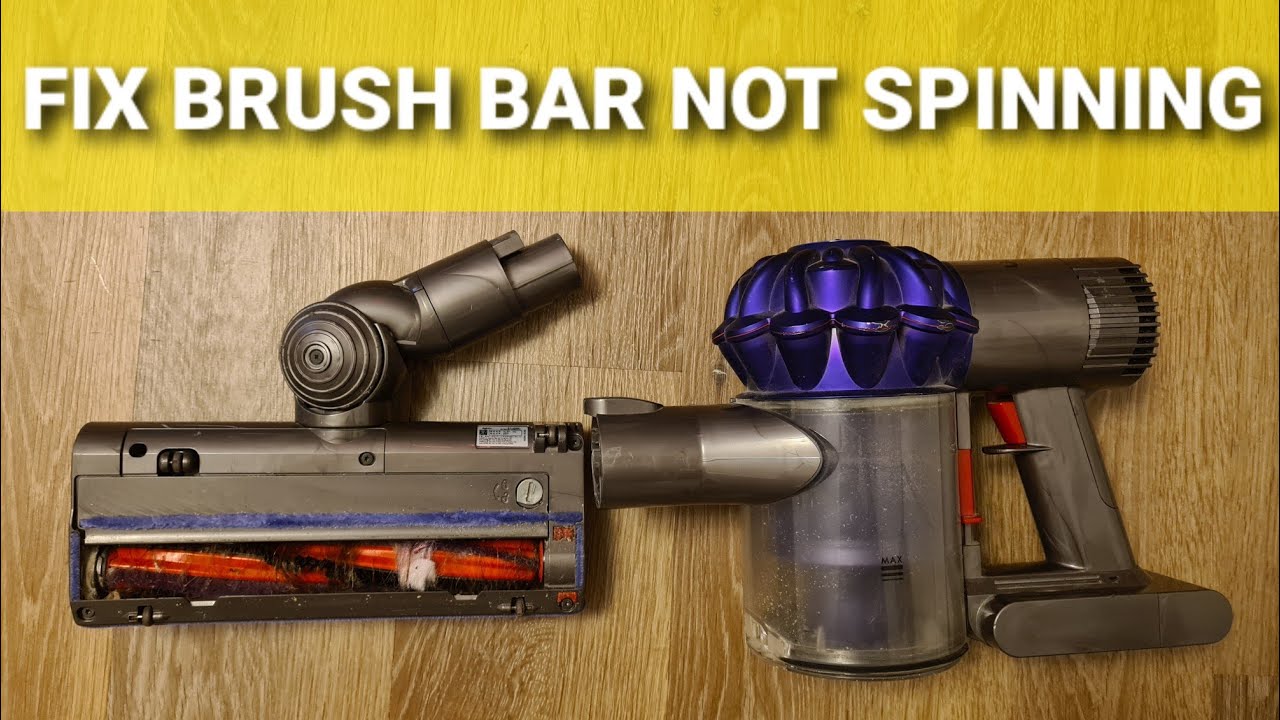
Common reasons your stick vacuum brush is not spinning
1. Hair and debris are wrapped around the brush
This is the most common reason a stick vacuum brush not spinning problem happens. Long hair, pet fur, string, and carpet fibers can wrap around the brush roll like a rope around a bike wheel. Once enough material builds up, the brush slows down or stops completely.
You may notice:
• The brush makes a clicking or whining sound
• The vacuum still picks up some dirt, but poorly
• The brush feels stuck when you try to spin it by hand
This is one of those problems I have fixed the most. A quick clean with scissors, a seam ripper, or a brush-cleaning tool usually brings the brush back to life.
2. The belt is worn out or broken
Many stick vacuums use a belt or drive system to turn the brush roll. Over time, belts can stretch, crack, or snap. When that happens, the motor may still run, but the brush does not move.
Signs of a belt issue include:
• A burning smell
• The motor sound changes, but the brush stays still
• The brush turns only sometimes
• The vacuum head feels hotter than usual
If your model uses a belt, check your manual for replacement steps. Some vacuums have a direct-drive brush head instead, so the fix may be different.
3. The brush roll is clogged or jammed
A hidden clog can stop the brush from spinning even if the top looks clean. Dirt can pack into the brush housing, around the axle, or near the intake path. Think of it like a door blocked by a chair: the motor wants to move, but something is in the way.
Look for:
• Packed dust near the brush ends
• Small toys, paper, or hard debris stuck in the head
• Resistance when turning the brush by hand
Always unplug the vacuum or remove the battery before checking inside the head. Safety comes first, even with a small repair.
4. The brush roll is damaged
Sometimes the brush itself is the issue. The ends may wear down, the bristles may bend, or the axle may crack. If the brush roll is warped, it may not sit correctly in the housing and may stop spinning under load.
A damaged brush roll can cause:
• Uneven cleaning
• Wobbling or vibration
• Noise from the vacuum head
• A brush that turns freely by hand but not during use
If the brush is visibly damaged, replacing it is usually the best option.
5. The battery is weak or not charging properly
Stick vacuums depend on battery power, and a weak battery can reduce power to the brush motor. Some vacuums still turn on and suck air, but the brush head gets too little power to spin at full speed.
This may happen when:
• The battery is old
• The vacuum is not fully charged
• The charger is faulty
• The battery contacts are dirty
If your stick vacuum brush not spinning problem happens more on low battery, that is a big clue. Try a full charge and test it again before buying parts.
6. The vacuum is set to the wrong mode
Some stick vacuums have multiple cleaning modes, such as carpet, hard floor, eco, or turbo. On certain models, the brush roll stops in hard floor mode or when a special setting is enabled. This can look like a failure when it is really a setting issue.
Check for:
• A brush roll on or off switch
• Carpet mode versus hard floor mode
• Auto sensor mode that changes brush behavior
I have seen this happen often with newer vacuums that use smart settings. It is easy to miss, especially if the machine was recently used by someone else.
7. The vacuum head is not seated correctly
If the floor head is not attached properly, the brush may not receive power. Loose connections, misaligned joints, or dirt on the contact points can interrupt the drive system. Even a small gap can cause the brush to stop spinning.
Check that:
• The head clicks into place
• The battery is installed correctly
• The connectors are clean and dry
• No part of the wand is bent or blocked
This is a simple fix, but it is easy to overlook when you are in a hurry.
8. A motor or circuit problem is present
If you have checked the brush, belt, battery, and clogging, the issue may be internal. The motor that drives the brush roll could be failing, or the circuit board may not be sending power correctly. This is less common, but it does happen, especially in older units or vacuums exposed to moisture.
Possible signs:
• The brush never spins, even after cleaning and charging
• There is no response from the head
• The vacuum shuts off under load
• You smell electrical burning
At this point, warranty service or a repair shop may be the smartest choice.
How to fix a stick vacuum brush not spinning
Step 1: Turn off the vacuum and remove the battery or unplug it
Before you do anything else, make the vacuum safe. If your model has a removable battery, take it out. If it is corded, unplug it.
Step 2: Check for hair and debris
Flip the vacuum head over and look closely at the brush roll. Cut away wrapped hair, thread, and fibers. Also check the ends of the brush and the housing around it.
Step 3: Test the brush by hand
Spin the brush roll with your fingers. It should move with light resistance, not stick or grind. If it jams, remove the brush and clean the axle area.
Step 4: Inspect the belt or drive system
If your vacuum uses a belt, look for cracks, slack, or breakage. Replace the belt if it looks worn. If it is a direct-drive model, check the manual for brush head parts instead.
Step 5: Clean the connectors and contacts
Wipe battery contacts and floor head connectors with a dry cloth. Dirt or dust on the contacts can interrupt power flow.
Step 6: Charge the battery fully
A low battery can weaken the brush motor. Charge the vacuum completely and test it again. If the issue improves only a little, the battery may be aging.
Step 7: Reset the vacuum if your model supports it
Some stick vacuums have a reset feature or protection mode. Overheating, overload, or blockages can trigger a shutdown. Let it cool, clear the blockage, and restart it.
Step 8: Replace worn parts if needed
If the brush roll, belt, or battery is old, replacement may be the easiest fix. For many users, replacing one small part is cheaper than buying a new vacuum.
A simple repair checklist like this solves most stick vacuum brush not spinning problems in minutes, not hours.

How to prevent the brush from stopping again
A little maintenance goes a long way. I learned early on that cleaning the brush roll on a schedule saves time later and keeps the vacuum working like it should.
Here are the best habits to follow:
• Clean hair and string from the brush every 1 to 2 weeks
• Empty the dust bin before it gets too full
• Check for clogs in the wand and hose area
• Charge the battery before it drops too low too often
• Store the vacuum in a dry place
• Replace worn brush rolls and filters as recommended by the manufacturer
It also helps to use the right vacuum setting for the surface. Carpets, rugs, and hard floors do not always need the same brush speed. Matching the mode to the floor can reduce wear and extend the life of the machine.
When to repair and when to replace
If your stick vacuum brush not spinning problem keeps coming back, it is worth comparing repair cost to replacement cost. A simple brush roll or belt is usually worth fixing. But a failed motor, damaged circuit board, or expensive battery may not be worth the expense on an older unit.
Consider replacing the vacuum if:
• It is older and out of warranty
• The repair cost is close to the price of a new model
• Multiple parts are failing at once
• The suction is also weak
If the vacuum is still fairly new, contact customer support before buying parts. Some brands offer replacement brush heads, batteries, or motorized floor tools under warranty.
What I have learned from real vacuum repairs
One thing I have seen again and again is that a stick vacuum brush not spinning issue usually starts small. A little hair buildup becomes a full jam. A weak battery gets ignored until the brush quits. A clogged head gets mistaken for a dead motor.
The biggest mistake people make is skipping the basics. They look for a major failure before checking the brush roll, the battery, or the floor head connection. In practice, the simplest fix is often the right one.
Frequently Asked Questions
Why does my stick vacuum brush spin sometimes and then stop?
This often means there is a partial clog, a weak battery, or a worn belt. The brush may work when the load is light and stop when resistance increases.
Can hair stop a vacuum brush from spinning?
Yes, hair is one of the most common causes. It wraps around the brush roll and axle, making it harder or impossible for the motor to turn the brush.
Why does my vacuum suction work but the brush does not?
That usually points to a brush-specific issue, not a full vacuum failure. The problem may be the brush roll, drive belt, battery power, or a setting that turns the brush off.
Should I replace the brush roll or the whole vacuum?
If only the brush roll is worn, replacing that part is usually enough. If the motor, battery, and circuit board are also failing, a new vacuum may make more sense.
How often should I clean the brush roll?
For homes with pets or long hair, check it every 1 to 2 weeks. Even in lighter-use homes, a monthly cleaning helps prevent spinning problems and keeps suction strong.
Conclusion
A stick vacuum brush not spinning is usually caused by something practical, not mysterious. Hair buildup, clogs, weak batteries, worn belts, and bad connections are the main culprits, and most of them can be checked at home with a few simple steps.
If your vacuum is acting up, start with the easy fixes first and work your way down the list. That approach saves time, saves money, and often gets the brush spinning again without stress. If you found this guide helpful, take a moment to clean your vacuum today, and share your own repair tip or question in the comments.

