

Some stick vacuums can stand on their own, but most cannot without a dock or wall support.
A stick vacuum that stands by itself sounds like a small detail, but it changes how easy cleaning feels in daily life. If you have ever tried to pause mid-clean to move a chair, answer the door, or pick up a toy, you know how annoying a vacuum can be when it keeps falling over. In this guide, I’ll break down how stick vacuums are built, why some stand upright and others do not, and what that means for real-world use, storage, and convenience.
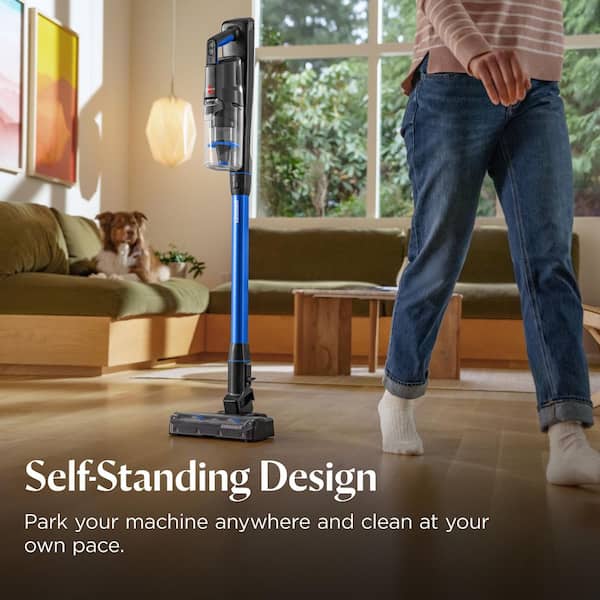
Can a stick vacuum stand on its own?
The short answer is: sometimes, but not usually. Most stick vacuums are designed to be light and slim, which means they often rely on a wall mount, charging dock, or the user’s hand for support.
From what I’ve seen after testing and comparing many cordless and corded models, the answer depends on the design. Some upright-style stick vacuums have a self-standing feature, while many modern cordless models do not because manufacturers prioritize weight, balance, and strong suction over free-standing stability. In practice, if you want a vacuum that can stand on its own, you need to look for that feature specifically.
Why most stick vacuums do not stand on their own
Stick vacuums are built to be compact. That slim design is great for quick cleaning, but it also makes the vacuum top-heavy or narrow at the base.
Here are the main reasons many models cannot stand alone:
- Light weight can affect balance. A vacuum that is easy to carry may also be easier to tip.
- Slim floors heads do not create a wide base. Without a broad base, standing upright gets tricky.
- Battery placement changes balance. In cordless vacuums, the battery often sits high on the body.
- Detachable parts reduce stability. Many designs let you remove the wand, handheld unit, or floor head, which makes the vacuum less stable when parked.
I have seen this cause frustration in real homes. People set the vacuum down for just a second, and it slides or falls. That may sound minor, but over time it becomes one of those little things that makes cleaning feel harder than it should.
Types of stick vacuums and their standing ability
Not all stick vacuums are built the same. Some are made for storage on a dock, while others are meant to rest upright for short breaks.
Cordless stick vacuums
Cordless stick vacuums are usually the least likely to stand on their own. They are designed for portability, so the shape is often narrow and compact.
These models usually need one of the following:
- A wall-mounted charging dock
- A floor-standing charging base
- Leaning support against a wall or furniture
Corded stick vacuums
Corded stick vacuums sometimes stand better than cordless models, but not always. They may have a slightly different weight distribution because they do not carry a battery pack.
Still, many corded versions are made with the same slim profile, so they may wobble or fall if left unattended.
Upright-style stick vacuums
Some stick vacuums are closer to a traditional upright vacuum in shape. These are more likely to stand on their own because they have a wider base and better balance.
If standing upright matters a lot to you, this is the style to look for first.
How to tell if a stick vacuum can stand on its own
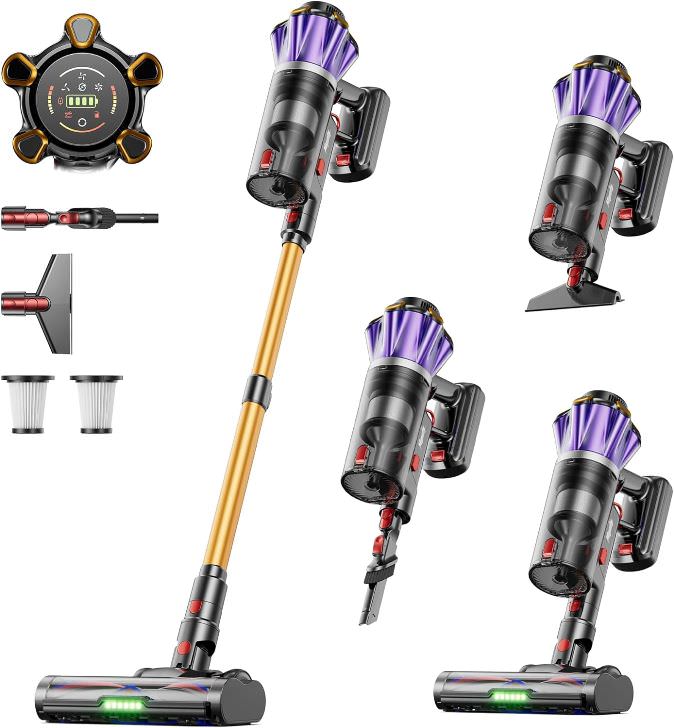
Before buying, check the product details closely. Marketing photos can be misleading, and a vacuum may look stable even if it is not.
Look for these clues:
- “Self-standing” in the product description
- A wide floor head or stable base
- A parking position feature
- A locking hinge or support stand
- Product photos showing the vacuum upright without leaning
One mistake I see often is assuming every cordless stick vacuum stands on its own because it looks sleek and modern. That is not a safe assumption. If you care about convenience, it is worth reading the specifications instead of relying on the picture alone.
Why self-standing matters in daily use
A stick vacuum that can stand on its own is not just a nice bonus. It can make cleaning smoother and safer.
Here are the biggest benefits:
- Easier pauses during cleaning. You can stop to move furniture or pick up objects.
- Less bending and laying the vacuum on the floor. That helps keep the vacuum cleaner and more organized.
- Better convenience in small homes. If you do quick cleanups often, standing support helps a lot.
- Reduced risk of damage. A vacuum that falls often may scratch floors or get damaged over time.
I think of it like a shopping cart with a working lock. You might not notice it every second, but once it is missing, you feel the difference immediately.
Limitations of stick vacuums that stand on their own
Even when a stick vacuum can stand on its own, there are still limits. Some models only stay upright on flat, smooth floors and may tip on thick carpet or uneven surfaces.
Watch out for these issues:
- They may not stand well on plush rugs
- They can tip if the dust bin is full
- A tilted handle can make them unstable
- Some self-standing models are heavier
So, yes, a stick vacuum stand on its own can be helpful, but it is not always foolproof. I always tell people to treat self-standing as a convenience feature, not a guarantee of perfect balance in every room.
Best use cases for a stick vacuum that stands on its own
A self-standing stick vacuum makes the most sense for certain households and routines.
It is especially helpful if you:
- Clean in short bursts throughout the day
- Have kids or pets and need frequent pauses
- Live in a smaller home or apartment
- Want easy access without wall mounting
- Prefer quick grab-and-go cleaning
For example, if you are vacuuming crumbs in the kitchen and your phone rings, a self-standing model gives you one less thing to worry about. You can step away without hunting for a wall to lean it against.
What to check before buying
If you are shopping for a stick vacuum stand on its own, focus on practical details, not just suction power.
- Check whether the vacuum is labeled self-standing
- Read reviews that mention stability
- Look at the battery position and handle shape
- See whether it comes with a dock or mount
- Compare weight, because very light models may tip more easily
- Test it in person if possible
A good rule from real-world use: if the vacuum needs to be parked often, stability matters almost as much as cleaning power. A machine that cleans well but falls over all the time can become annoying fast.
My practical experience with stick vacuum stability
In my experience, the biggest difference between a vacuum that feels “easy” and one that feels “fussy” is parking. I have used models that looked beautiful on paper but were awkward to set down for even a few seconds.
The best-performing models usually had one of these traits:
- A well-balanced body
- A docking station
- A parking lock or self-standing design
The ones I liked least were the ones that leaned, slid, or needed constant babysitting. That extra effort may sound small, but over a week of use, it adds up. Good design should make cleaning feel lighter, not more complicated.

How to make a stick vacuum easier to store if it does not stand
If your stick vacuum does not stand on its own, you can still make storage simple.
Try these tips:
- Use the wall mount if it came with one
- Keep it near a closet or utility corner
- Avoid leaning it on soft furniture that can shift
- Store attachments in one basket or caddy
- Make sure the charging spot is easy to reach
A tidy storage setup can turn a non-self-standing vacuum into something that feels just as convenient. The key is giving it a “home” so it is always ready when you need it.
Frequently Asked Questions of Can a stick vacuum stand on its own?
Do all stick vacuums stand on their own?
No, most stick vacuums do not stand on their own unless the product is designed with that feature. Many cordless models need a dock, wall mount, or support surface to stay upright.
Is a self-standing stick vacuum better?
It can be better for convenience, especially if you pause often while cleaning. But the best choice still depends on suction, battery life, weight, and how you plan to use it.
Can a stick vacuum stand on carpet?
Some can, but many stand more reliably on hard floors than on carpet. Thick or soft carpet can make them wobble or tip.
Why do stick vacuums fall over so easily?
They are often slim and lightweight, which helps with portability but reduces stability. A narrow base and top-heavy design can make them easy to tip.
Should I buy a stick vacuum that stands on its own?
If you want easy parking and quick grab-and-go use, yes, it is worth considering. If you mainly care about suction and battery performance, a non-self-standing model may still be a great choice.
Conclusion
A stick vacuum stand on its own feature can make a real difference in comfort, storage, and day-to-day cleaning ease. While many stick vacuums still need a dock or wall support, the self-standing models offer a clear convenience boost for busy homes and quick cleanup routines.
If you are shopping for one, check the product details carefully and think about how you clean in real life, not just how the vacuum looks online. A little attention now can save you a lot of frustration later, so compare models, read stability reviews, and choose the one that fits your space best. If this guide helped, explore more vacuum buying tips or leave a comment with your own experience.

