

A corded stick vacuum usually uses 300 to 1,200 watts, or about 0.3 to 1.2 kWh per hour.
A corded stick vacuum seems simple, but its power use can vary more than most people expect. If you want to know how much electricity does a corded stick vacuum use, the answer depends on the motor size, suction setting, and how long you clean. In this guide, I’ll break down the real numbers, show you how to estimate your own cost, and share practical tips from real-world vacuum use so you can clean smarter without wasting power.
What affects how much electricity a corded stick vacuum uses?
The biggest factor is wattage. Most corded stick vacuums sit somewhere between 300 watts and 1,200 watts, though some high-power models can go a bit higher. A smaller lightweight model may sip electricity, while a stronger one with deep-clean suction will draw more.
In my experience, the label on the vacuum tells only part of the story. Two vacuums can both be called “corded stick vacuums,” yet one may use twice as much electricity as the other. Suction mode, brush roll power, and floor type all matter too.
Common factors include:
• Motor wattage: Higher wattage usually means higher electricity use
• Suction mode: Boost mode can raise power draw fast
• Floor surface: Thick carpet can make the vacuum work harder
• Filtration system: More resistance can slightly increase load
• Cleaning time: Longer sessions naturally use more energy
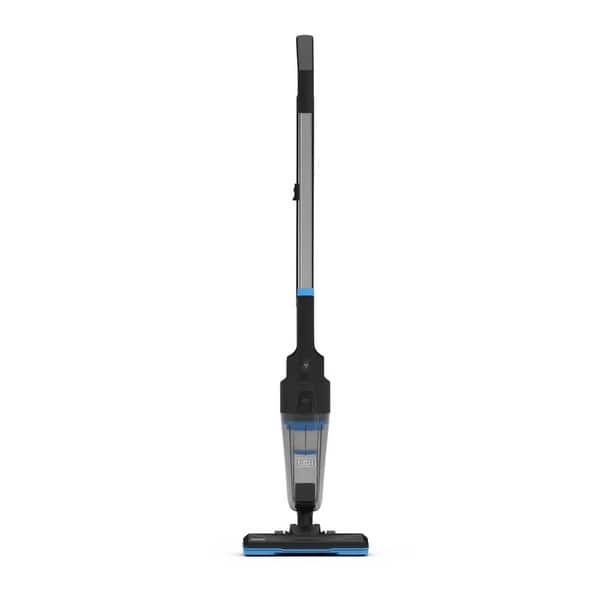
How much electricity does a corded stick vacuum use per hour?
A corded stick vacuum typically uses about 0.3 to 1.2 kilowatt-hours per hour of use. That means if you run a 600-watt vacuum for one hour, it uses 0.6 kWh of electricity.
Here is a simple way to think about it:
• 300 watts = 0.3 kWh per hour
• 600 watts = 0.6 kWh per hour
• 900 watts = 0.9 kWh per hour
• 1,200 watts = 1.2 kWh per hour
This is one reason corded stick vacuums are often considered energy-friendly compared with larger upright vacuums. They are usually designed for quick daily cleaning, not long deep-clean jobs. So even though they plug into the wall, they often use less electricity than people assume.
How to calculate the electricity cost of a corded stick vacuum
The math is easy once you know the wattage and your local electricity rate. You can estimate cost with this formula:
Electricity cost = (Watts ÷ 1,000) × hours used × cost per kWh
Let’s say your corded stick vacuum uses 800 watts and you clean for 30 minutes. If your electricity rate is 16 cents per kWh, the cost is:
• 800 ÷ 1,000 = 0.8 kWh per hour
• 0.8 × 0.5 hours = 0.4 kWh
• 0.4 × $0.16 = $0.064
That means the vacuum costs about 6 cents to run for 30 minutes.
A few more examples:
• 500-watt vacuum for 20 minutes at $0.16/kWh = about 1.3 cents
• 900-watt vacuum for 45 minutes at $0.16/kWh = about 10.8 cents
• 1,200-watt vacuum for 1 hour at $0.16/kWh = about 19.2 cents

Is a corded stick vacuum energy efficient?
Yes, in most homes, a corded stick vacuum is fairly energy efficient. It uses much less electricity than many people expect, especially if you only clean for short periods a few times a week.
The real advantage is how focused the machine is. Corded stick vacuums are made for quick, targeted cleaning, so they do not need to run for long. That can keep energy use low while still giving you strong suction.
From what I’ve seen, people often worry about the cord and assume it means high power use. But the cord does not make it inefficient. In fact, a corded model can be more efficient than a battery vacuum because it does not lose output as the battery drains.
Corded stick vacuum vs cordless vacuum electricity use
A corded stick vacuum uses household electricity directly. A cordless vacuum uses electricity too, but mostly through battery charging. So the difference is not “electricity vs no electricity,” but where and how the energy gets used.
Here’s the simple tradeoff:
• Corded stick vacuum: Uses power while cleaning
• Cordless vacuum: Uses power while charging, then stores it in the battery
Corded models often deliver steadier suction and avoid battery wear. Cordless vacuums are more convenient, but their batteries can reduce performance over time and may need replacement. If you want fewer charging cycles and constant suction, a corded stick vacuum can be the better choice.
How much does it cost to run a corded stick vacuum monthly?
The monthly cost depends on how often you vacuum and for how long. For many homes, the cost is surprisingly low.
Here are a few examples using a 700-watt vacuum and a 16-cent per kWh electricity rate:
• 15 minutes per week = about 5 cents per month
• 30 minutes per week = about 9 cents per month
• 1 hour per week = about 30 cents per month
Even if you vacuum often, the total energy cost usually stays modest. That’s why this appliance is not a major electricity user in most households. Your refrigerator, HVAC system, and water heater will almost always use far more energy.
What wattage should you look for?
The right wattage depends on your home and cleaning habits. A lower-watt model can be enough for hard floors and light dust. A higher-watt model may be better for carpet, pet hair, and deeper cleaning.
A simple guide:
• 300 to 500 watts: Good for light cleaning and hard floors
• 500 to 900 watts: Good for mixed floors and everyday use
• 900 to 1,200 watts: Better for stronger suction and tougher messes
One mistake I made early on was chasing wattage alone. Higher wattage does not always mean better cleaning. Brush design, airflow, and floor head design can matter just as much.
Tips to reduce electricity use without losing cleaning power
You do not need to turn vacuuming into a science project. A few small habits can keep electricity use low while still keeping your floors clean.
Try these tips:
• Vacuum in short sessions instead of leaving the machine running
• Use the right setting for the floor type
• Empty the dust bin often so airflow stays strong
• Clean filters on schedule
• Remove tangled hair from the brush roll
• Avoid max boost mode unless you really need it
I’ve found that a clean filter can make a huge difference. A clogged vacuum works harder, and that can raise electricity use while reducing suction. It is a bit like trying to breathe through a straw.
What real-life usage looks like
Most people do not run a corded stick vacuum for a full hour at a time. In real homes, cleaning often takes 10 to 20 minutes per session. That means actual electricity use is usually much lower than the “per hour” number on the box.
For example:
• A 600-watt vacuum used for 15 minutes uses about 0.15 kWh
• A 900-watt vacuum used for 20 minutes uses about 0.3 kWh
• A 1,000-watt vacuum used for 10 minutes uses about 0.17 kWh
That is why the total bill impact is usually tiny. If you only use the vacuum for small daily messes, the cost may be just pennies.
Frequently Asked Questions
How much electricity does a corded stick vacuum use in a month?
Most homes use very little, often well under 1 kWh to a few kWh per month, depending on how often the vacuum runs. If you clean short areas a few times a week, the cost is usually only a few cents to a few dimes.
Does a higher wattage corded stick vacuum always use more electricity?
Yes, if you compare two vacuums running for the same amount of time, the higher wattage model uses more electricity. But better suction can also mean you finish faster, so total use may not rise as much as you expect.
Is a corded stick vacuum cheaper to run than an upright vacuum?
Usually, yes. Corded stick vacuums often use less wattage than full-size uprights, so they tend to cost less to operate for everyday cleaning.
How do I find the wattage of my vacuum?
Check the rating label on the vacuum body, power adapter, or user manual. If the label lists amps instead of watts, multiply amps by voltage to estimate watts.
Does carpet use more electricity than hard floors?
Often it does, because the vacuum has to work harder on carpet. Thick carpet can increase resistance, which can slightly increase energy use and cleaning time.
Conclusion
A corded stick vacuum usually uses between 300 and 1,200 watts, which works out to roughly 0.3 to 1.2 kWh per hour. For most homes, that means the electricity cost is very low, especially because these vacuums are usually used in short bursts rather than for long sessions.
If you want the best mix of cleaning power and low energy use, check the wattage, choose the right mode, and keep the filters and brush roll clean. Those small habits can make a real difference over time. If you found this helpful, explore more home energy guides, subscribe for practical tips, or leave a comment with your vacuum model and I can help estimate its exact running cost.

