

A stick vacuum usually weighs between 4 and 8 pounds, with cordless models often lighter.
A stick vacuum’s weight may seem like a small detail, but it can change how easy it feels to clean stairs, rugs, ceilings, and tight corners. I’ve seen plenty of people focus on suction power first, only to realize later that the vacuum’s weight is what truly decides whether cleaning feels quick and easy or tiring and awkward. In this guide, I’ll break down how much a stick vacuum weighs, what affects that weight, and how to choose the right one for your home and your body.
What Is a Stick Vacuum?
A stick vacuum is a slim, lightweight vacuum designed for fast cleaning. Most people use it for everyday messes, quick pickups, and rooms that need frequent touch-ups.
Compared with upright vacuums, stick vacuums are easier to carry and store. Many are cordless, which makes them even more convenient for apartments, multi-level homes, and small spaces.
The main appeal is simple: less bulk, less hassle, and less effort.
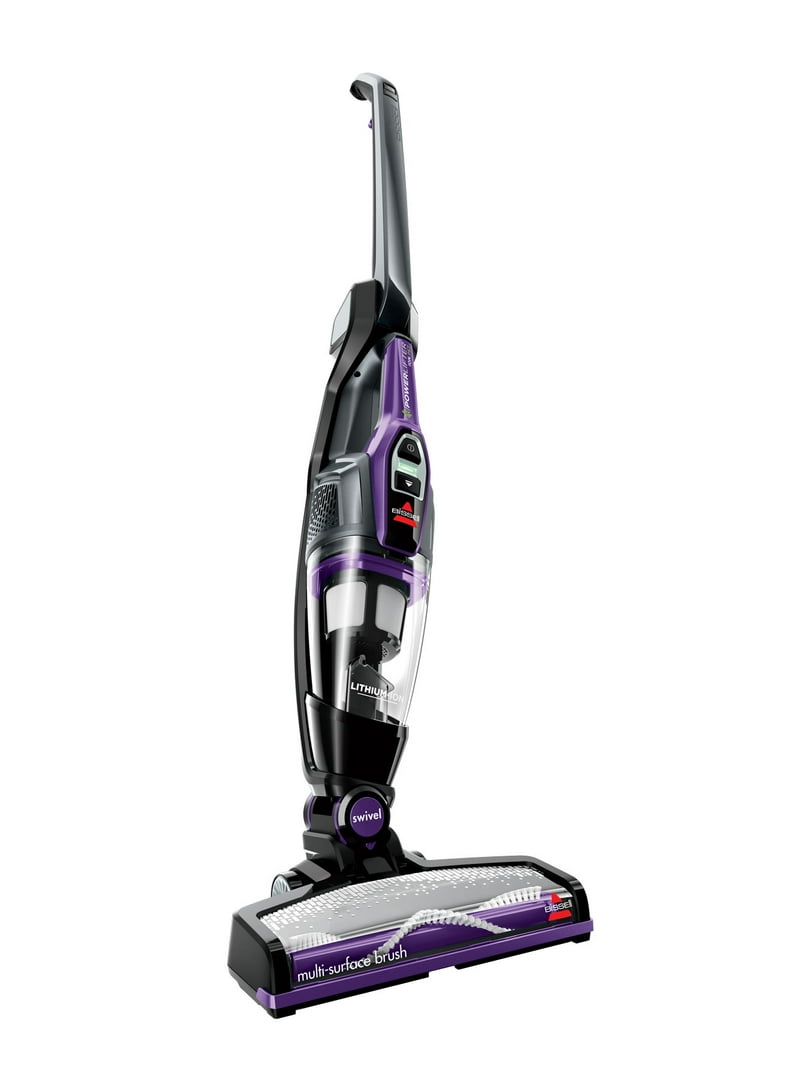
How Much Does a Stick Vacuum Weigh?
Most stick vacuums weigh 4 to 8 pounds. Some ultra-light models come in under 4 pounds, while larger or more feature-rich models can weigh 9 to 12 pounds.
Here’s the general range:
• Lightweight cordless stick vacuums: 3.5 to 5 pounds
• Standard stick vacuums: 5 to 7 pounds
• Heavier stick vacuums with stronger motors or bigger batteries: 7 to 10+ pounds
The weight often depends on whether the vacuum is corded or cordless, how big the battery is, and whether the model includes extra features like a detachable handheld unit or a dusting wand.
In my experience, the “best” weight is not the lightest one. A vacuum that is too light can feel less stable on thick carpet, while a vacuum that is too heavy can make arm fatigue kick in fast.
What Affects the Weight of a Stick Vacuum?
Several parts add to the total weight. If you’ve ever picked up two vacuums that looked almost the same but felt very different, this is why.
Battery Size
Cordless stick vacuums need a battery, and that battery can add noticeable weight. Bigger batteries often give longer runtime, but they also make the vacuum heavier.
If you clean a large house, that extra weight may be worth it. If you only need short, daily cleanups, a smaller battery may feel much better in your hand.
Motor Power
A stronger motor can improve suction, but it may also increase weight. More power often means more internal parts and a sturdier build.
This is one reason some high-performance stick vacuums feel closer to midweight tools than feather-light dusters.
Dust Bin Capacity
A larger dust cup can hold more dirt before you need to empty it. The tradeoff is extra bulk and sometimes extra weight.
For busy homes with kids or pets, that can be useful. For quick cleanups, a smaller dust bin is usually easier to manage.
Attachments and Accessories
Crevice tools, brush heads, extension wands, and detachable handheld units all affect the final weight. Some models feel light as a handheld but heavier once fully assembled.
That matters because the “weight” you feel while cleaning is often the weight of the whole setup, not just the main body.
Build Materials
Plastic housings, aluminum tubes, and metal components all change the balance. A vacuum may not weigh much on paper but still feel heavy if the weight sits too high.
Good balance is just as important as total weight. A well-balanced 7-pound vacuum can feel easier to use than a poorly balanced 5-pound one.
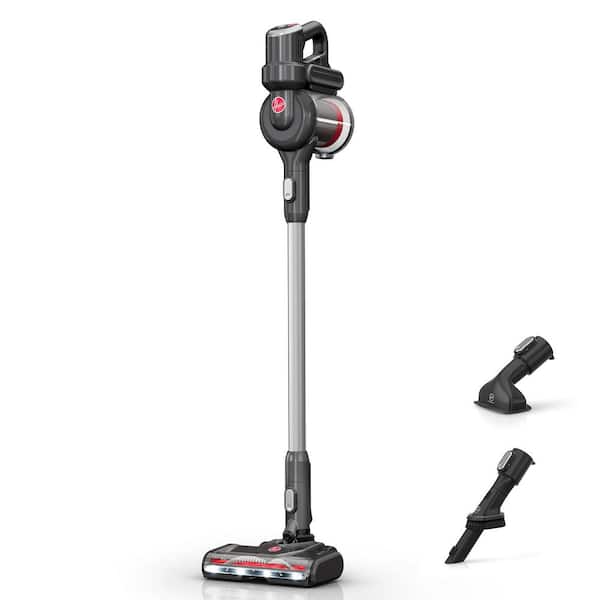
Why Stick Vacuum Weight Matters
Weight affects comfort, control, and cleaning time. A vacuum that feels easy for 2 minutes may feel very different after 20 minutes.
Here’s why it matters so much:
• Less weight usually means less arm strain
• Easier lifting helps with stairs and overhead spots
• Better portability is useful for multi-level homes
• Lighter vacuums are often easier for older adults or people with limited strength
• Heavier models may be harder to use in tight spaces or on long cleaning sessions
I once tested a model that had great suction but felt tiring after cleaning one floor. It taught me a simple lesson: a vacuum should fit your life, not just your floor type.
How Stick Vacuum Weight Compares to Other Vacuum Types
Stick vacuums are among the lightest full-size cleaning options. That is one of the reasons they are so popular.
Here is a simple comparison:
• Stick vacuums: 4 to 8 pounds on average
• Upright vacuums: 10 to 20 pounds or more
• Canister vacuums: often 12 to 25 pounds total, though the weight is split between parts
• Handheld vacuums: usually under 5 pounds
• Robot vacuums: often 6 to 10 pounds, but they do the work on their own
If you want something easier to carry than an upright, a stick vacuum is usually a big step down in weight. If you want the lightest possible option, a handheld vacuum is lighter, but it cannot replace a stick vacuum for whole-home cleaning.
What Is the Ideal Stick Vacuum Weight for Different Users?
The right weight depends on who is using it and where it will be used.
For Small Apartments
A vacuum in the 4 to 6 pound range is often ideal. It is easy to store, easy to lift, and quick to grab for daily messes.
For Multi-Level Homes
A lighter model helps a lot if you carry it up and down stairs. Many people prefer something around 5 to 7 pounds so it feels manageable without losing too much power.
For Pet Owners
Pet hair often needs stronger suction and a good brush roll, which can add weight. A slightly heavier vacuum may be worth it if it performs better on fur and dander.
For Seniors or Anyone with Limited Strength
A lighter model under 6 pounds is often the most comfortable. The best choice should feel easy to steer, lift, and empty without strain.
For Deep Cleaning
If you clean large areas at once, balance matters more than the scale alone. A 7- to 8-pound model with good ergonomics may feel easier than a lighter one that vibrates too much or feels flimsy.
How to Judge Weight When Shopping
Don’t rely on the number alone. Two vacuums with the same weight can feel completely different in use.
Look at these details:
• Weight of the vacuum body
• Weight with battery installed
• Weight of the full assembled unit
• Balance in your hand
• Handle shape and grip comfort
• How the vacuum feels when lifted above floor level
A useful tip from real-world testing: always check whether the listed weight includes the battery and main floor head. Some brands list only the bare body, which can make the vacuum seem lighter than it really feels.
Light Stick Vacuums vs Heavier Stick Vacuums
Each has strengths. The best choice depends on your home and your habits.
Light Stick Vacuums
Benefits:
• Easier to carry
• Better for quick cleanups
• Less tiring on stairs
• Usually easier to store
Limitations:
• May have smaller batteries
• Can feel less sturdy
• Sometimes less effective on thick carpet
Heavier Stick Vacuums
Benefits:
• Often stronger suction
• Longer battery life in some models
• Better dirt pickup on larger messes
• May include more attachments
Limitations:
• More arm fatigue
• Harder to lift overhead
• Can feel awkward for older users or longer jobs
The trick is to match the vacuum to your daily life. If you want speed, choose light. If you want more power and runtime, accept a little extra weight.
Tips to Make a Stick Vacuum Feel Lighter
Even a midweight stick vacuum can feel easier if it is designed well. These small details make a big difference.
• Use the lowest comfortable power setting for daily dust
• Empty the bin before it gets too full
• Choose a model with good balance near the handle
• Look for swivel steering to reduce wrist effort
• Use the right attachment for the job instead of forcing the main head everywhere
• Store the vacuum where it is easy to grab, so you are not carrying it far before cleaning starts
A vacuum that moves with you feels lighter than one that fights you.
Frequently Asked Questions of How much does a stick vacuum weigh?
How much does a cordless stick vacuum weigh?
A cordless stick vacuum usually weighs 4 to 8 pounds, depending on the battery and design. Lightweight models are great for quick jobs, while larger models may weigh a bit more but offer longer runtime.
Is a stick vacuum lighter than an upright vacuum?
Yes, most stick vacuums are much lighter than upright vacuums. That is one of their biggest advantages, especially for stairs, apartments, and fast daily cleaning.
What is the lightest stick vacuum available?
Some ultra-light stick vacuums weigh under 4 pounds. These are often best for simple jobs and smaller spaces, but they may have smaller bins or shorter battery life.
Does a heavier stick vacuum clean better?
Not always. A heavier stick vacuum may include a bigger motor or battery, but cleaning performance depends more on suction, airflow, brush design, and floor head quality.
What weight is best for older adults?
Many older adults find stick vacuums in the 4 to 6 pound range easiest to manage. Good balance and a comfortable handle are just as important as the number on the box.
Do stick vacuums feel heavier when full?
Yes, a full dust bin can make a stick vacuum feel heavier and less balanced. Emptying it regularly helps keep the vacuum easy to handle and can improve performance too.
Conclusion
So, how much does a stick vacuum weigh? In most cases, it falls between 4 and 8 pounds, with some lighter and heavier exceptions depending on the model. The best choice is not just the lightest one, but the one that feels balanced, comfortable, and right for your cleaning needs.
If you are shopping for one, think about where you will use it, how long you clean, and whether lifting comfort matters most. A smart choice here can save your arms, your time, and a lot of frustration. Keep exploring, compare models carefully, and choose the stick vacuum that feels easiest to live with every day.

