

Yes, stick vacuums can clean many area rugs, but results depend on rug thickness and vacuum power.
If you have ever tried to clean a small rug with a lightweight vacuum and felt let down, you are not alone. I have tested stick vacuums on low-pile, medium-pile, and thicker area rugs, and the truth is simple: the right stick vacuum can do a very solid job, but not every rug is a good match. Let’s walk through what works, what does not, and how to get the best clean without damaging your rug.
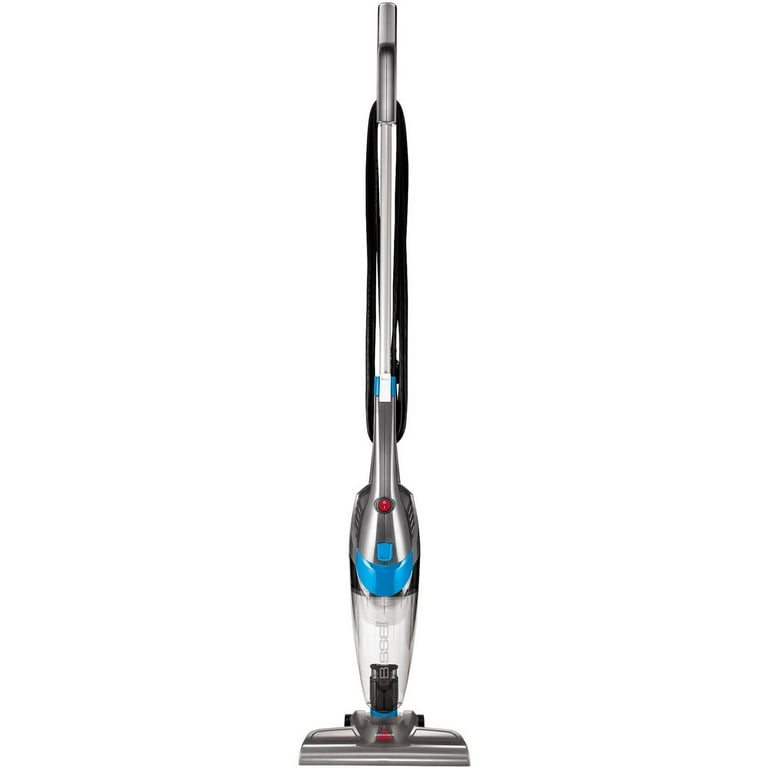
Can stick vacuums clean area rugs?
Yes, stick vacuums can clean area rugs, especially low-pile and flatweave styles. They are designed for quick daily cleaning, light debris pickup, and easy use on smaller floor spaces. In many homes, a stick vacuum is enough to keep an area rug looking fresh between deeper cleanings.
That said, the answer changes when the rug gets thicker or denser. A lightweight stick vacuum may glide over a plush rug without pulling out dirt buried deep in the fibers. So the real question is not just whether a stick vacuum can clean area rugs, but which kind of rug it can clean well.

How stick vacuums work on area rugs
Stick vacuums use suction, airflow, and sometimes a brush roll to lift dust, crumbs, hair, and surface dirt. On area rugs, that combination works best when the pile is short and the fibers do not trap debris too deeply. If the vacuum has strong suction and a motorized brush head, it can improve cleaning power quite a bit.
I have found that the biggest difference is not the brand name alone. It is the mix of suction strength, brush design, and weight. A very light stick vacuum may be easy to push, but it can miss dirt if the rug is dense or shaggy.
Best rug types for stick vacuums
Stick vacuums usually perform well on:
- Low-pile area rugs, which have short fibers and are easy to clean
- Flatweave rugs, which lie close to the floor and do not trap much debris
- Cotton and synthetic rugs, which often respond well to regular suction
- Small runner rugs, where quick passes are enough to remove daily dust
Rug types that are harder to clean
Stick vacuums often struggle with:
- High-pile rugs, because dirt sinks deep into the fibers
- Shag rugs, since long strands tangle around brush rolls
- Wool rugs with dense weave, which may need stronger suction or gentler care
- Thick layered rugs, where debris can settle below the top surface
What to look for in a stick vacuum for area rugs
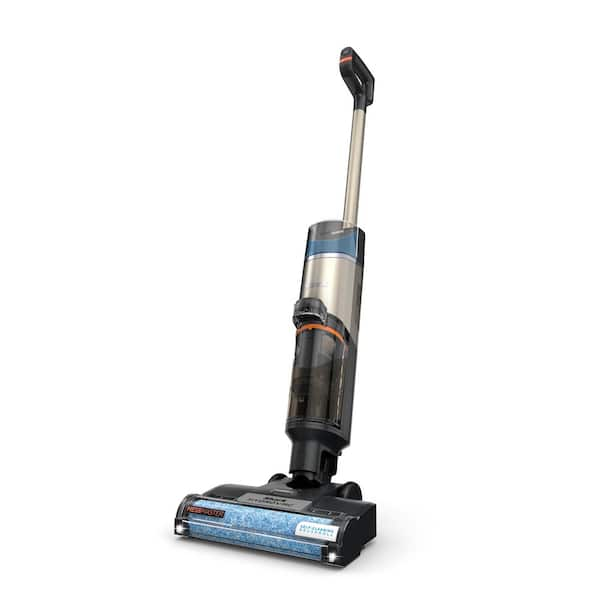
Not every stick vacuum is built for carpet or rug cleaning. If area rugs are part of your home, look for features that make vacuuming easier and safer. A smart choice can save you time and keep your rug in better shape.
Strong suction
Suction matters because it lifts dust and fine dirt from between rug fibers. If the suction is weak, the vacuum may only clean the surface. For area rugs, especially in busy homes, stronger suction is usually worth it.
Motorized brush roll
A powered brush roll helps agitate fibers and loosen dirt. This is useful for low-pile rugs and pet hair. Just be careful with delicate or looped rugs, since a spinning brush can sometimes pull fibers loose.
Adjustable settings
Some stick vacuums let you turn off the brush roll or change the suction level. That feature is very useful for mixed flooring. It also helps protect rugs that are more delicate.
Lightweight design
A lighter vacuum is easier to carry, store, and use on stairs or under furniture. For smaller rugs, portability is often a big advantage. Still, weight should not come at the cost of cleaning power.
Good battery life
If your area rug is part of a larger room, battery life matters. A vacuum that dies halfway through the job can be frustrating. I always recommend checking run time, especially if you plan to vacuum more than one rug in a single cleaning session.

When a stick vacuum is enough
A stick vacuum can be enough when your rug sees light to moderate dirt. If you vacuum often and mostly deal with dust, pet hair, or crumbs, it can handle the job well. For many apartments and smaller homes, this is more than enough.
Stick vacuums are especially useful if you want:
- Fast daily cleanup
- Easy storage in tight spaces
- A vacuum for both rugs and hard floors
- Something simple to grab for small messes
From my own experience, this is where stick vacuums shine. They are like a broom with a motor, but better at grabbing fine dust. For everyday upkeep, that convenience can make a big difference.
When you may need a stronger vacuum
Sometimes an area rug needs more than a stick vacuum. If the rug is thick, heavily soiled, or packed with pet hair, a full-size upright or canister vacuum may clean more deeply. That is especially true for rugs in entryways, living rooms, and homes with kids or pets.
You may need a stronger vacuum if:
- The rug looks clean on top but still holds dirt
- Pet hair keeps wrapping around the brush roll
- The rug has a plush or shag texture
- You need deeper cleaning, not just surface pickup
A good rule I use is this: if the rug feels heavy with debris after vacuuming, the machine may be too light for the job. In that case, a deeper-cleaning vacuum or carpet cleaner can help.
Tips for cleaning area rugs with a stick vacuum
A stick vacuum can do a much better job when you use it the right way. Small changes in technique often matter more than people think. A careful pass can clean better than a rushed one.
Vacuum slowly
Move the vacuum at a steady pace. Going too fast can leave dirt behind. A slow pass gives the suction time to lift more debris.
Use overlapping strokes
Each pass should slightly overlap the one before it. This helps avoid missed strips of dust or pet hair. It is a simple trick, but it really works.
Raise or adjust the brush roll if needed
If your rug is delicate or prone to snagging, switch off the brush roll if the vacuum allows it. For thicker rugs, the brush may help, but for fragile loops it can cause wear. Always test a small spot first.
Empty the bin often
A full dust bin can reduce suction fast. I have made the mistake of waiting too long, and the vacuum’s performance dropped right away. Emptying the bin keeps the machine working at its best.
Clean the brush roll
Hair and thread can wrap around the brush roll and reduce performance. Check it often, especially if you have pets. A clean brush roll means better pickup and less strain on the motor.
Common mistakes to avoid
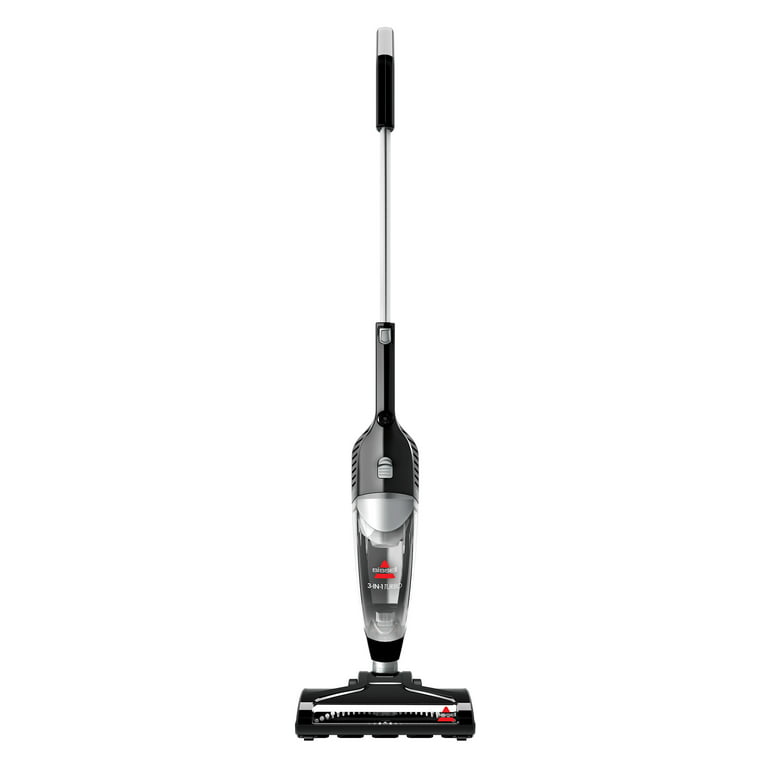
People often blame the vacuum when the real issue is technique or rug type. I have seen this happen many times. A few easy mistakes can make the cleaning job much harder than it needs to be.
Avoid these problems:
- Using a stick vacuum on a shag rug and expecting deep cleaning
- Letting the battery run too low before starting
- Ignoring clogged filters or a full dust bin
- Using a brush roll on delicate woven rugs without checking first
- Vacuuming too quickly and missing embedded dirt
If your rug is fraying or shedding more after vacuuming, the vacuum may be too aggressive for that material. That is a sign to change settings or switch tools.
Benefits of using a stick vacuum on area rugs
Stick vacuums are popular for a reason. They make routine cleaning much easier, and that can help rugs stay in better shape over time. Regular vacuuming also keeps dust from building up deeply in the fibers.
Here are the main benefits:
- Easy to use for fast cleanup
- Lightweight and simple to carry
- Great for daily dust and crumbs
- Useful for homes with mixed floors
- Compact for small closets and apartments
For busy households, the biggest win is consistency. A vacuum you use often is usually better than a powerful one that stays in the closet.
Limitations you should know
A stick vacuum is helpful, but it is not magic. It has limits, and knowing those limits can save frustration. Most of the time, the weakness is not the vacuum’s fault. It is just not the right tool for every rug.
Common limitations include:
- Less deep-cleaning power than full-size vacuums
- Shorter battery life on cordless models
- Harder time with thick or plush rugs
- Smaller dust bins that fill quickly
- Less effective pickup on embedded debris
Industry testing and product guidance from cleaning and appliance experts often point to the same idea: performance depends on suction, airflow, and brush design, not just whether a vacuum is cordless. That is why two stick vacuums can perform very differently on the same rug.
Best cleaning approach for different area rug types
Different rugs need different care. Thinking about rug construction helps you choose the right method. It also helps protect your investment.
Low-pile rugs
Stick vacuums are usually a great match for low-pile rugs. Use slow passes and medium suction if available. A brush roll can help lift dust and hair.
Flatweave rugs
Flatweave rugs are among the easiest to clean. A stick vacuum works well here because the surface is thin and smooth. This is one of the best use cases for cordless cleaning.
High-pile rugs
High-pile rugs need more care. A stick vacuum may clean the top, but not much below that. If you use one, choose the gentlest setting that still removes dirt.
Shag rugs
Shag rugs are the toughest match for stick vacuums. Long fibers can tangle in the brush roll or make the vacuum hard to push. In many cases, a canister or upright with adjustable height works better.
What I have learned from testing stick vacuums on rugs
One thing I have learned is that people often expect one vacuum to do everything. That is rarely realistic. The best stick vacuum for area rugs is the one that fits your rug type, cleaning habits, and home layout.
Another lesson is that regular cleaning matters more than occasional deep cleaning. A stick vacuum can keep a rug looking clean if you use it often. But if you wait until the rug looks dirty, even a good vacuum may fall short.
Frequently Asked Questions of Can stick vacuums clean area rugs?
Can a stick vacuum clean thick area rugs?
Yes, but usually only on the surface. Thick rugs often hold dirt deep in the fibers, so a stick vacuum may not remove everything.
Are stick vacuums safe for delicate area rugs?
They can be, if you use the right settings. Turn off the brush roll or use a gentle mode for fragile rugs and test a small area first.
Do stick vacuums work for pet hair on area rugs?
Yes, many stick vacuums pick up pet hair well, especially on low-pile rugs. A motorized brush roll usually helps with hair removal.
How often should I vacuum an area rug with a stick vacuum?
For most homes, once or twice a week is a good starting point. If you have pets or kids, you may need to vacuum more often.
Is a stick vacuum better than an upright for area rugs?
Not always. A stick vacuum is better for convenience, while an upright often gives deeper cleaning power on thicker rugs.
Conclusion
Stick vacuums can clean area rugs very well when the rug type and the vacuum match. They are especially useful for low-pile, flatweave, and everyday rugs that need quick, frequent cleaning. For thicker or plush rugs, though, you may need a stronger machine or a different cleaning method.
The smartest approach is to treat your stick vacuum as a practical daily cleaner, not a one-size-fits-all solution. Choose the right settings, clean slowly, and match the tool to the rug. If you want cleaner rugs with less effort, start by checking your rug type and vacuum features, then put that knowledge to work today.

