

Most stick vacuum filters should dry for 24 hours before being reinstalled.
If you have ever washed a stick vacuum filter and wondered whether it is truly dry enough, you are not alone. Knowing how long should a stick vacuum filter dry matters more than most people think, because a damp filter can weaken suction, trap odor, and even damage the vacuum over time. In this guide, I will walk you through the safest drying time, what changes that timeline, and the simple mistakes I have seen people make again and again when they rush the process.
Why drying time matters so much
A stick vacuum filter is like the lungs of the machine. When it is clean and fully dry, air moves through it the way it should. When it is still damp, airflow gets restricted, and the vacuum has to work harder than it should.
I have seen this happen in real homes, especially with cordless stick vacuums used every day. People wash the filter at night, put it back in the morning, and then wonder why the vacuum smells musty or loses power. The problem is often not the wash itself. It is the drying time.
A fully dry filter helps with:
- Stronger suction
- Better airflow
- Less odor
- Longer filter life
- Lower risk of mildew or mold
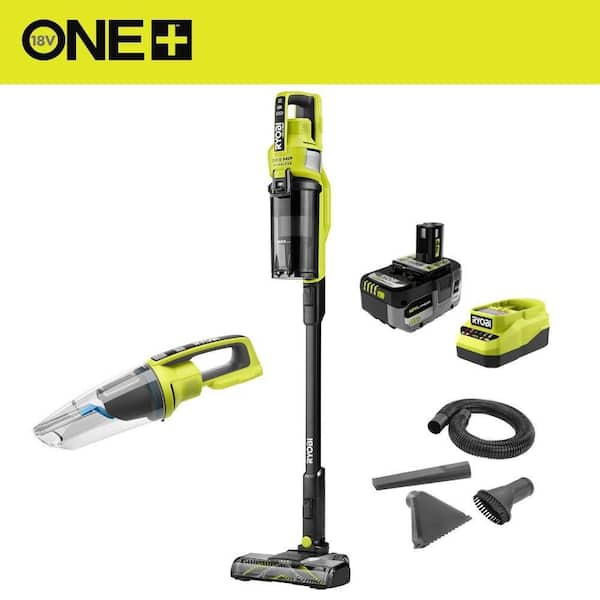
How long should a stick vacuum filter dry?
For most stick vacuum filters, the best drying time is 24 hours. Some thin foam or mesh filters may dry faster, but 24 hours is the safest rule for full air drying.
The exact time depends on the filter type, room humidity, and how much water it absorbed during washing. A thick pleated HEPA-style filter often needs the full day. A foam pre-filter may dry sooner, but I still recommend waiting until it feels completely dry all the way through.
If you are asking how long should a stick vacuum filter dry in a hurry, the honest answer is this: do not guess. A filter that feels dry on the outside can still hold moisture inside.
What affects drying time
Several things can change how long should a stick vacuum filter dry.
Filter material
Different materials dry at different speeds.
- Foam filters dry faster because they hold less water
- Mesh filters usually dry in a moderate amount of time
- Pleated paper or HEPA-style filters often dry the slowest
Room temperature
Warm rooms help speed up evaporation. Cold rooms slow it down. A dry indoor space is usually better than a damp basement or a humid laundry room.
Humidity
High humidity can stretch drying time well past 24 hours. If the air already feels wet, the filter cannot release moisture as easily.
How the filter was washed
A filter soaked in water will take longer to dry than one that was rinsed lightly. If it was squeezed hard, shaken, or wrung out, it may also lose shape or get damaged.
Air circulation
Good airflow helps. A room with moving air dries filters faster than a closed, still space.
How to dry a stick vacuum filter the right way
The safest method is simple: air dry only. Most vacuum makers advise against heat because it can warp the filter or weaken the material.
Here is the method I use and recommend:
- Rinse the filter gently with cool or lukewarm water
- Shake off extra water
- Place it on a clean towel or drying rack
- Set it in a well ventilated indoor space
- Leave it alone until it is completely dry
A small fan can help if the air is moving gently around the room. Just do not place the filter too close to heat sources.
Signs your stick vacuum filter is not dry yet
Sometimes a filter looks ready before it actually is. That is where people get tripped up.
Watch for these signs:
- The filter feels cool or damp to the touch
- It has a heavier feel than normal
- The vacuum smells stale after reassembly
- Suction seems weaker than usual
- You notice fine dust sticking inside the filter
If any of these show up, give it more time. Waiting a few extra hours is far better than reinstalling a damp filter.
What happens if you use a damp filter
Using a damp filter is not just a small mistake. It can cause real problems.
A wet filter can:
- Reduce suction
- Push moisture into the motor area
- Create a musty smell
- Encourage mold growth
- Shorten the life of the filter and vacuum
I have seen people blame the battery or motor when the real issue was a wet filter. The vacuum was fine. It just could not breathe properly.
Can you speed up drying safely?
You can help the process, but you should not rush it with heat. The key is faster airflow, not hotter air.
Safe ways to speed things up include:
- Drying in a room with a fan
- Placing the filter in a dry, airy spot
- Separating filter layers if the design allows it
- Gently blotting excess water with a clean towel
Avoid these:
- Hair dryers
- Space heaters
- Ovens
- Direct sunlight for long periods, if the material is sensitive
High heat can deform the filter and ruin its fit. Once that happens, the vacuum may never seal correctly again.
How often should you wash a stick vacuum filter?
This depends on how often you vacuum and what you clean. For most homes, washing every 1 to 3 months is a common range. Homes with pets, lots of dust, or heavy daily use may need more frequent cleaning.
Here is a simple guide:
- Light use: every 2 to 3 months
- Regular use: every 1 to 2 months
- Pet homes or high dust: every 2 to 4 weeks
Always check the owner’s manual first. Some brands use washable filters, while others require replacement instead.
Mistakes to avoid when drying a vacuum filter
Over the years, I have noticed the same dry-time mistakes over and over. They are easy to make, but also easy to avoid.
Common mistakes include:
- Reinstalling the filter too soon
- Using heat to speed up drying
- Forgetting to clean the filter housing
- Washing the filter too aggressively
- Storing the filter in a closed, damp room
One of the biggest lessons here is patience. A filter is a simple part, but it has a huge job. Treating it gently pays off.

How to tell when the filter is fully dry
A good test is to feel the entire filter, not just the surface. Check folds, corners, seams, and thick spots. If any part feels cool, soft, or damp, it needs more time.
You can also do a scent check. A dry filter should smell neutral. If it smells like damp cloth or a basement, it is not ready yet.
When in doubt, wait another few hours. That small delay can prevent bigger problems later.
Why manufacturer guidance matters
Different vacuum brands design filters differently. Some use foam, some use multi-stage filtration, and some use HEPA-style cartridges. That means the drying time can vary more than people expect.
Manufacturer instructions matter because they account for:
- Filter shape
- Material thickness
- Motor airflow design
- Recommended cleaning methods
If your manual says 24 hours, follow that. If it says longer, believe it. Brand guidance is usually the most reliable answer to how long should a stick vacuum filter dry for your exact model.
Practical example from real use
I once cleaned a compact cordless stick vacuum filter after a week of pet hair and kitchen dust. On the surface, it looked dry after about 8 hours. But when I opened the pleats, I still found moisture hiding inside.
That experience taught me something simple: filters dry from the outside in, and the inside often takes longer. Since then, I always wait a full day unless the manual clearly says otherwise. The vacuum runs better, and I avoid that stale smell people often mistake for a motor issue.
Frequently Asked Questions
How long should a stick vacuum filter dry after washing?
Most stick vacuum filters should dry for 24 hours before use. Some lightweight foam filters may dry sooner, but waiting a full day is the safest choice.
Can I use a stick vacuum filter while it is still a little damp?
No, it is better not to. Even slight moisture can reduce suction and may lead to odor or mildew inside the vacuum.
Can I put a stick vacuum filter in the sun to dry faster?
You can, but only if the manufacturer says it is safe. Long direct sun exposure can damage some filter materials, so indoor air drying is usually safer.
Why does my vacuum smell bad after washing the filter?
A bad smell usually means the filter was put back before it fully dried. Moisture trapped in the material can lead to a musty odor.
How do I know if my stick vacuum filter is completely dry?
Touch all parts of the filter, including folds and seams. If it feels cool, heavy, or damp anywhere, give it more time.
Conclusion
The short answer to how long should a stick vacuum filter dry is usually 24 hours, with longer wait times for thicker filters or humid rooms. Air drying is the safest method, and patience here protects suction, reduces odor, and helps your vacuum last longer.
If you make one habit change, let it be this: never reinstall a filter just because it looks dry on the outside. Check it carefully, give it enough time, and your vacuum will reward you with better performance. If you found this helpful, explore more cleaning care tips and share your own filter-drying experience in the comments.

