

Yes, stick vacuums can handle pet hair well, especially on hard floors and low-pile carpets.
Today's Exclusive Deals
Limited-time Exclusive Deals. Check current discount on Amazon.
Check Price on Amazon As an Amazon Associate I earn from qualifying purchases.If you live with pets, you already know how fast fur can spread from the couch to the hallway to your clothes. I’ve tested enough vacuums to know that the real question is not just whether a stick vacuum can pick up pet hair, but whether it can do it without getting clogged, losing suction, or turning a five-minute cleanup into a chore. In this guide, I’ll break down when stick vacuums work best for pet hair, where they fall short, and how to choose one that actually makes life easier.
Are stick vacuums good for pet hair?
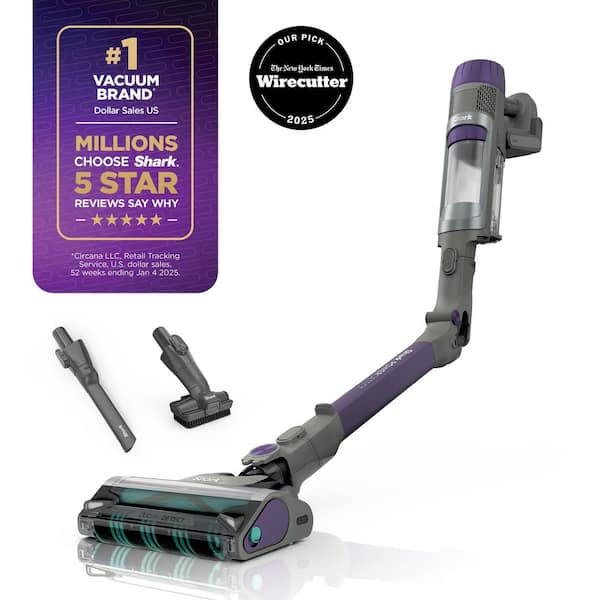
Yes, stick vacuums are good for pet hair in many homes, but not all of them are equal. The best models can lift fur from floors, upholstery, stairs, and car seats with very little effort. They are especially useful for daily cleanup, when pet hair is fresh and spread across light messes instead of buried deep in thick carpet.
Today's Exclusive Deals
Limited-time Exclusive Deals. Check current discount on Amazon.
Check Price on Amazon As an Amazon Associate I earn from qualifying purchases.What makes a stick vacuum good for pet hair is not just suction. The brush roll, filtration, battery life, dustbin size, and anti-tangle design all matter. In my experience, a strong motor with a poor brush head still struggles with long pet hair, while a well-built stick vacuum with smart design can feel like a little grooming tool for your floors.
What makes stick vacuums work well for pet hair?
A stick vacuum works well for pet hair when it has the right mix of power and design. Pet hair is tricky because it clings to fabric, wraps around brush rolls, and can float into corners and under furniture. A vacuum needs to grab that hair without pushing it around.
Here are the features that matter most:
- Strong suction helps lift hair from floors and upholstery.
- Anti-tangle brush rolls reduce hair wrap and keep cleaning smooth.
- Motorized floor heads improve pickup on carpets and rugs.
- HEPA or sealed filtration helps trap dander and fine dust.
- Lightweight design makes it easy to clean stairs, couches, and tight spaces.
- Easy-empty dustbins help you dispose of fur without making a mess.
I’ve noticed that pet owners often focus only on suction power, but brush design matters just as much. A vacuum with a good head can make one pass feel like three.
Today's Exclusive Deals
Limited-time Exclusive Deals. Check current discount on Amazon.
Check Price on Amazon As an Amazon Associate I earn from qualifying purchases.
Best surfaces for stick vacuums with pet hair
Stick vacuums are usually strongest on certain surfaces. If your home has mostly hard flooring, a good stick vacuum can be a great match. On carpets, results depend on pile height and the vacuum’s brush system.
Hard floors
Stick vacuums are excellent on hardwood, tile, laminate, and vinyl. Pet hair tends to sit on top of these surfaces, so a good vacuum can grab it fast. Many models also have soft rollers that help prevent scratching.
Low-pile rugs
Low-pile rugs are still very manageable for most good stick vacuums. The hair stays closer to the surface, so the vacuum can pull it out with one or two passes. This is where many pet owners get the most satisfying results.
Upholstery and stairs
Stick vacuums are great for sofas, pet beds, stairs, and car interiors. These spots collect the kind of hair that makes a room look messy even after the floor is clean. A handheld conversion or mini motorized tool is especially useful here.
Medium and high-pile carpet
This is where things get more complicated. Some premium stick vacuums do well, but many lighter models struggle with deep hair in thick carpet fibers. If your home has lots of plush carpet, you may need a more powerful upright vacuum or a stick vacuum with strong carpet performance.
Pros of stick vacuums for pet hair
There are good reasons so many pet owners choose stick vacuums. They are practical, fast, and easy to use for everyday cleanup.
- They are lightweight and easy to carry around.
- They are simple to grab for quick cleanups.
- They work well on stairs and furniture.
- They store easily in small homes and apartments.
- Many newer models have pet-focused attachments.
- Cordless versions make cleaning less annoying.
One thing I’ve learned over time is that the best vacuum is often the one you’ll use often. A huge machine can sit in a closet, while a stick vacuum gets used every day because it is just easier to reach for.
Limitations of stick vacuums for pet hair
Stick vacuums are not perfect. They can be fantastic for daily maintenance, but they may not replace a full-size vacuum for every home.
Common limitations include:
- Shorter battery life on cordless models
- Smaller dustbins that fill quickly with pet fur
- Less deep-cleaning power on thick carpet
- More frequent filter cleaning
- Hair wrap on cheaper brush rolls
- Reduced suction as the battery drains on some models
I made this mistake myself early on: I bought a very light stick vacuum and expected it to handle heavy shedding from a large dog. It worked fine for quick pickups, but once spring shedding hit, I needed to empty the bin constantly. That taught me that pet hair volume matters just as much as vacuum size.
How to choose the best stick vacuum for pet hair
If you want a stick vacuum for pet hair, look beyond marketing claims. A model that says “pet hair” on the box is not automatically the right one.
1. Check the brush roll design
Look for anti-tangle or self-cleaning brush rolls. These help prevent hair from wrapping around the roller, which is one of the biggest frustrations for pet owners. If you have a long-haired dog or cat, this feature can save a lot of time.
2. Look at suction and airflow
Suction helps, but airflow and head design matter too. A vacuum with balanced performance usually cleans better than one with raw power but a poor floor head. If possible, test it on your actual floor type.
3. Think about battery runtime
Cordless stick vacuums are convenient, but battery life can drop when you use max power. If your home is large or you clean often, aim for a model with enough runtime to finish the job without rushing. Swappable batteries are a nice bonus.
4. Choose the right dustbin size
Pet hair fills bins fast, especially during heavy shedding season. A larger dustbin means fewer stop-and-empty breaks. That sounds small, but it matters a lot in real life.
5. Make sure the filter system is good
Pet homes have more dander and fine dust. A sealed system with strong filtration helps trap those particles instead of blowing them back into the air. This is especially helpful if anyone in the home has allergies.
6. Check attachments
A good pet vacuum should include tools for upholstery, crevices, and stairs. A mini motorized tool can be a game changer for couches and pet beds. Crevice tools also help with baseboards and corners where fur likes to hide.
Are cordless stick vacuums good for pet hair?
Cordless stick vacuums are very good for pet hair if you value convenience and quick cleanup. They are ideal for homes that need frequent touch-ups rather than heavy deep cleaning. For pet owners, that often means less fur buildup over time.
The tradeoff is battery life. Some cordless models lose strength on carpet or at high power, so you need to choose carefully. If you have two shedding pets and a big house, a cordless stick vacuum may be best as a daily helper, not your only vacuum.
Are corded stick vacuums better for pet hair?
Corded stick vacuums can be better for pet hair if you want steady power. Since they do not run on battery, they usually keep suction consistent from start to finish. That makes them a strong choice for larger cleaning jobs.
The downside is less freedom of movement. You trade convenience for endurance. In my experience, corded stick vacuums make the most sense if you want lightweight handling but do not want to worry about charging or runtime.
Tips for using a stick vacuum on pet hair
A good vacuum works better when used the right way. Small habits can make a big difference in how well it handles pet hair.
- Empty the bin before it gets too full.
- Clean the brush roll often.
- Use the right attachment for furniture and stairs.
- Vacuum more often during shedding seasons.
- Move slowly over carpet so the vacuum has time to lift embedded hair.
- Wash or replace filters as recommended.
One practical tip I always share: vacuum pet beds and couches before the hair piles up. Pet hair gets easier to remove when it is fresh. Once it gets pressed into fabric, even the best stick vacuum has to work harder.
Stick vacuums vs upright vacuums for pet hair
Stick vacuums are more convenient, but uprights often win on deep carpet cleaning. If your home has mostly hard floors or light-to-moderate shedding, a stick vacuum may be enough. If you have multiple pets and thick carpet, an upright vacuum may still be the better main cleaner.
Here is the simple rule I use:
- Choose a stick vacuum if you want speed, light weight, and easy daily use.
- Choose an upright vacuum if you need stronger deep-cleaning for carpet.
- Choose both if your home has mixed surfaces and heavy shedding.
This is why many pet owners end up with a two-vacuum setup. The stick vacuum handles the daily mess, and the upright handles the bigger reset clean.
What types of pets create the most vacuum challenge?
Not all pet hair behaves the same. Some pets shed fine, fluffy hair that floats everywhere, while others shed coarse hair that wraps around brushes.
More challenging cases include:
- Long-haired cats and dogs
- Double-coated breeds
- Heavy seasonal shedders
- Multiple-pet households
- Pets that sleep on fabric furniture often
Fine dander also matters. Even if the hair looks manageable, tiny particles can build up fast and affect indoor air quality. That is why filtration is such an important part of a pet vacuum setup.
Frequently Asked Questions
Are stick vacuums good for pet hair on carpets?
Yes, but results depend on carpet type and vacuum quality. Stick vacuums usually do best on low-pile carpet and rugs, while thick carpet may need a stronger model or an upright vacuum.
Do stick vacuums work for cat hair?
Yes, stick vacuums can work very well for cat hair, especially on hard floors, couches, and stairs. Cat hair is often fine and light, so a good brush roll and strong filtration make a big difference.
How often should I vacuum pet hair?
For most pet homes, vacuuming a few times a week works well, and daily cleanup may help during shedding season. If you have allergies or multiple pets, more frequent vacuuming can reduce buildup and keep fur under control.
What is the most important feature for pet hair?
An anti-tangle brush roll is one of the most important features. It helps keep hair from wrapping around the roller, which makes the vacuum easier to maintain and more effective over time.
Can a stick vacuum replace a full-size vacuum for pet owners?
Sometimes, yes, but not always. If your home has mostly hard floors and light shedding, a good stick vacuum may be enough. For thick carpet or heavy shedding, many people still benefit from having a full-size vacuum too.
Conclusion
Stick vacuums can be a very good choice for pet hair, especially if you want something light, fast, and easy to use every day. They shine on hard floors, stairs, furniture, and low-pile rugs, and the best ones handle fur better than many people expect. The key is choosing a model with strong suction, a smart brush roll, good filtration, and enough battery life for your home.
If you live with pets, think of a stick vacuum as your daily cleanup partner. Pick the right one, use it often, and you will stay ahead of the fur instead of chasing it. If you’re shopping now, compare features carefully and choose the vacuum that fits your pets, your floors, and your routine.

