

Your kitchen is more than just a place to cook – it’s where you create meals, gather with loved ones, and fuel your day. But have you ever stopped to think about how a messy kitchen might be affecting your health and mood?
Cleaning your kitchen isn’t just about looking neat; it plays a crucial role in keeping you safe and making your daily routine smoother. Keep reading, and you’ll discover simple reasons why keeping your kitchen clean can transform your life in ways you might not expect.
Health Risks Of A Dirty Kitchen
A dirty kitchen is more than just an eyesore. It can cause serious health problems for you and your family. Germs and bacteria grow fast in unclean spaces. These tiny invaders can lead to food poisoning and other illnesses.
Keeping your kitchen clean helps stop these health risks. Understanding the dangers can motivate you to clean often. Here are some key health risks caused by a dirty kitchen.
Bacteria And Germ Growth
Bacteria multiply quickly on dirty surfaces. Cutting boards, countertops, and sinks can hide harmful germs. These bacteria cause stomach aches, diarrhea, and vomiting. Cleaning kills these germs and keeps food safe.
Cross-contamination Dangers
Cross-contamination happens when germs spread from one food to another. Raw meat touching vegetables is one example. This can cause serious infections. Washing hands and surfaces stops this spread.
Pest Attraction
Dirty kitchens attract pests like ants, cockroaches, and rodents. These pests carry germs and bacteria. They can contaminate your food and surfaces. Regular cleaning keeps pests away and your kitchen safe.

Benefits Of A Clean Kitchen
A clean kitchen offers many benefits that improve daily life. It helps keep the space safe and pleasant. Cleaning regularly stops dirt and germs from building up. It also makes cooking easier and more enjoyable. A tidy kitchen supports a healthier home environment for everyone.
Improved Food Safety
Cleaning removes harmful bacteria and germs from surfaces. This reduces the risk of food contamination. Safe food preparation prevents foodborne illnesses. A clean kitchen helps keep your family healthy. Wiping counters and washing hands lower the chance of sickness.
Enhanced Cooking Experience
A neat kitchen makes cooking faster and less stressful. Finding tools and ingredients becomes simple and quick. A clean area inspires creativity and good meals. It keeps pests away and prevents bad smells. Cooking becomes a fun and peaceful task.
Reduced Allergens
Dust, mold, and crumbs can cause allergies or asthma. Cleaning regularly removes these irritants from the kitchen. A fresh kitchen means better air quality indoors. It helps everyone breathe easier and feel better. Reducing allergens creates a safer space for all family members.
Daily Cleaning Habits
Daily cleaning habits in the kitchen keep the space healthy and fresh. Small actions every day stop dirt and germs from building up. They make cooking safer and more pleasant. A clean kitchen also helps prevent pests and bad smells.
Wiping Surfaces
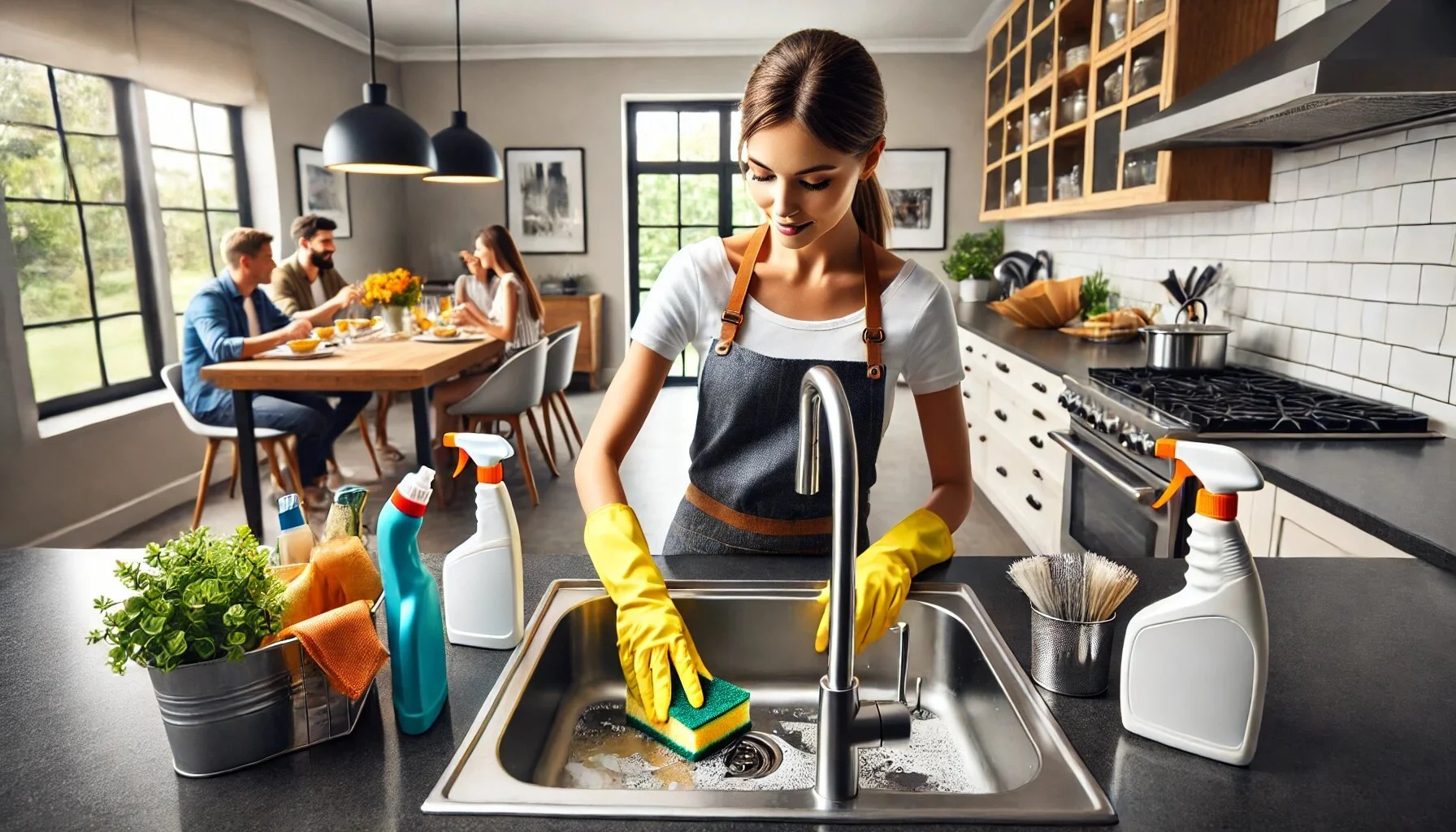
Wiping counters and tables removes food crumbs and spills. Use a clean cloth and safe cleaner. Wipe after each meal or food prep. This stops germs from spreading and keeps surfaces shiny. Clean surfaces make cooking easier and safer.
Dishwashing Routine
Wash dishes promptly after use. Dirty dishes can attract bugs and cause smells. Use hot water and soap for better cleaning. Dry dishes before putting them away. A regular dishwashing routine keeps the kitchen tidy and healthy.
Proper Waste Disposal
Throw trash away in a covered bin. Empty the bin daily to avoid odors. Separate recyclables and compost if possible. Proper waste disposal stops pests and keeps the kitchen clean. It also helps keep your home fresh and pleasant.

Deep Cleaning Strategies
Deep cleaning the kitchen goes beyond quick wiping. It helps remove hidden dirt and germs. This keeps your kitchen safe and fresh. Regular deep cleaning stops bad smells and pests. It also makes cooking more pleasant and healthy.
Cleaning Appliances
Appliances collect grease and food bits inside and outside. Clean the oven, microwave, and fridge regularly. Use warm soapy water or appliance cleaner. Remove racks and trays to wash them separately. Pay attention to buttons and handles. Clean small appliances like toasters and blenders too.
Sanitizing Cutting Boards
Cutting boards hold bacteria from raw meat and veggies. Wash them with hot, soapy water after each use. Sanitize with a mix of vinegar and water or bleach solution. Let them dry completely to stop germs from growing. Replace old or deeply scratched boards to stay safe.
Organizing Pantry And Fridge
Sort pantry and fridge items by expiry date and type. Throw away expired or spoiled food. Wipe shelves and drawers with mild cleaner. Use clear containers to see food easily. Keep raw meat separate from fruits and veggies. Organizing saves time and prevents waste.
Effective Cleaning Products
Choosing the right cleaning products is key to keeping your kitchen safe and fresh. The products you use affect how well surfaces get cleaned. They also impact your health and the environment. Using effective cleaning products helps remove dirt, grease, and germs. It also prevents harmful bacteria from spreading. This section explains the differences between natural and chemical cleaners, how to pick safe disinfectants, and the best eco-friendly options.
Natural Vs Chemical Cleaners
Natural cleaners come from plants and minerals. They often use ingredients like vinegar, baking soda, and lemon. These cleaners are gentle and less harmful to your skin and lungs. Chemical cleaners contain synthetic substances designed for tough stains. They can work faster but may cause irritation or allergies. Natural cleaners are safer but may need more effort. Chemical cleaners clean deeply but require careful use. Choose based on your needs and kitchen use.
Choosing Safe Disinfectants
Disinfectants kill germs and bacteria on kitchen surfaces. Look for products that are EPA-approved for safety. Avoid disinfectants with harsh fumes or strong chemicals. Use products with clear instructions and follow them exactly. Safe disinfectants protect your family from illness without causing harm. Always keep disinfectants out of reach of children and pets. Proper use keeps your kitchen clean and safe.
Eco-friendly Options
Eco-friendly cleaners reduce pollution and waste. They use biodegradable ingredients that break down easily. These products avoid toxic chemicals that harm the environment. Eco-friendly options often come in recyclable packaging. Using these products helps protect water and air quality. They provide a safe kitchen for your family and nature. Choose eco-friendly cleaners to support a healthier planet.
Maintaining Kitchen Hygiene
Maintaining kitchen hygiene keeps your cooking space safe and clean. It stops germs from spreading and protects your family’s health. A clean kitchen also helps food taste better and lasts longer. Simple habits make a big difference in keeping your kitchen fresh and safe.
Handwashing Practices
Clean hands stop bacteria from spreading to food. Wash your hands with soap and warm water for at least 20 seconds. Do this before and after handling food, especially raw meat. Dry hands with a clean towel to avoid germs. Teach everyone in the house to follow this habit.
Storing Food Safely
Proper food storage prevents spoilage and contamination. Keep raw meat away from ready-to-eat foods. Use airtight containers to store leftovers and dry goods. Check expiration dates and throw away old food. Store perishable items in the fridge at the right temperature.
Regular Inspection And Maintenance
Check your kitchen often for dirt and damage. Clean appliances, counters, and sinks daily. Fix leaks and broken seals to stop mold and pests. Empty trash regularly to avoid bad smells and germs. A well-maintained kitchen stays healthier and safer for cooking.
Frequently Asked Questions
Why Is Kitchen Cleaning Important For Health?
Cleaning the kitchen removes germs and bacteria that cause illnesses. It prevents food contamination and keeps your family safe. Regular cleaning reduces the risk of allergies and infections. A clean kitchen promotes better hygiene and overall well-being.
How Often Should You Clean Your Kitchen?
You should clean your kitchen daily to maintain hygiene. Wipe countertops and wash dishes after use. Deep clean appliances and floors weekly. Regular cleaning prevents buildup of dirt, grease, and harmful bacteria.
Can Kitchen Cleaning Prevent Pest Infestations?
Yes, cleaning the kitchen regularly removes food crumbs and spills. This denies pests like ants and rodents their food source. Proper waste disposal and sealing cracks also help prevent infestations. Clean kitchens are less attractive to pests.
What Are The Benefits Of A Clean Kitchen?
A clean kitchen improves food safety and reduces illness risk. It enhances your cooking experience and saves time. Clean spaces boost mood and reduce stress. It also increases the lifespan of kitchen appliances.
Conclusion
Keeping your kitchen clean protects your health and safety. It stops germs and pests from spreading. A tidy kitchen also helps you find things quickly. Cleaning regularly makes cooking more enjoyable and less stressful. It saves money by reducing food waste and damage.
Simple habits like wiping counters and washing dishes daily make a big difference. A clean kitchen creates a fresh, welcoming space for your family. Small efforts add up to a healthier home and happier life.

