

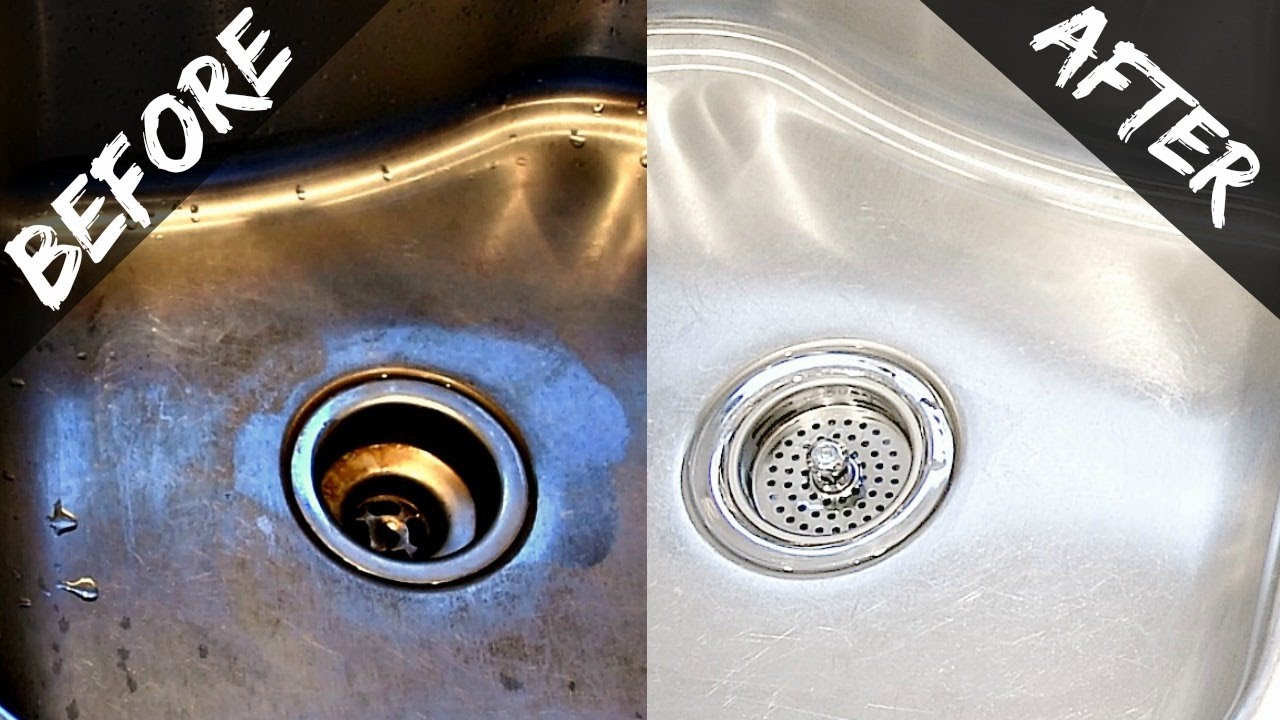
Your stainless steel sink is one of the busiest spots in your kitchen. Over time, it can build up stains, water spots, and grime that make it look dull and dirty.
But what if you could clean it effectively without harsh chemicals? Imagine your sink shining bright, naturally fresh, and safe for your family. You’ll discover simple, natural ways to restore your stainless steel sink’s sparkle. Keep reading—you’re just minutes away from a cleaner, healthier kitchen!
Benefits Of Natural Cleaning
Natural cleaning offers many benefits for your stainless steel sink. It is gentle on surfaces and safe for your family. Using natural ingredients helps protect your health and the environment. You avoid harsh chemicals that can cause damage or irritation.
Natural cleaning products are often cheaper and easy to find. They work well to remove stains and keep your sink shiny. This method supports a cleaner home without toxic residues. A simple routine with natural cleaners can improve your kitchen’s look and feel.
Health And Safety
Natural cleaners do not contain harmful chemicals. They reduce the risk of allergies and skin problems. You breathe safer air without strong fumes. This is important in a kitchen where food is prepared.
Environmental Impact
Natural ingredients break down easily in nature. They do not pollute water or soil. Using them helps protect wildlife and plants. It supports a cleaner planet for future generations.
Cost-effective Cleaning
Common natural products like vinegar and baking soda are cheap. You often have them at home already. They clean well without expensive store-bought cleaners. This saves money over time.
Protects Stainless Steel
Natural cleaners are mild and do not scratch surfaces. They maintain the sink’s shine and finish. Harsh chemicals can dull or damage stainless steel. Natural methods keep your sink looking new longer.
Common Causes Of Sink Stains
Stainless steel sinks are popular for their sleek look and durability. Over time, these sinks can develop stains that spoil their shine. Understanding what causes these stains helps in cleaning them naturally and effectively.
Many factors contribute to sink stains. Some are from daily use, while others come from the materials around the sink. Identifying these causes can help prevent stains and keep your sink looking new.
Water Spots And Mineral Deposits
Hard water leaves behind spots and deposits on the sink surface. These minerals build up and create dull patches. Regular wiping can reduce these marks.
Food And Drink Residue
Leftover food and drink can stain the sink. Acidic items like lemon or coffee cause discoloration. Cleaning soon after use helps avoid stains.
Rust And Metal Marks
Rust forms from iron particles or metal tools left in the sink. This causes orange-brown stains. Avoid leaving metal objects wet in the sink.
Soap Scum And Grease
Soap and grease build up on the sink surface. They create a sticky film that traps dirt. Gentle scrubbing removes this residue easily.
Essential Natural Ingredients
Natural cleaning ingredients are safe and effective for stainless steel sinks. They remove stains and keep the sink shiny. These ingredients are easy to find and gentle on surfaces. Using natural cleaners avoids harsh chemicals that can damage the sink or harm health.
Here are four essential natural ingredients that work well to clean stainless steel sinks.
Baking Soda
Baking soda is a mild abrasive and deodorizer. It helps remove dirt and stains without scratching the sink. Sprinkle baking soda on the wet sink surface. Use a soft cloth or sponge to scrub gently. Rinse with water to reveal a clean, fresh sink.
Vinegar
Vinegar is a natural disinfectant and shines stainless steel. It cuts through grease and water spots easily. Spray or pour vinegar on the sink surface. Let it sit for a few minutes. Wipe with a soft cloth and rinse well with water.
Lemon Juice
Lemon juice has natural acids that break down grime. It also leaves a fresh scent after cleaning. Rub lemon juice directly onto stains or mix with baking soda for scrubbing. Rinse thoroughly to prevent any sticky residue.
Salt
Salt acts as a gentle scrubber and removes tough stains. Combine salt with lemon juice or baking soda for better results. Apply the mixture to the sink, scrub lightly, and rinse well. Salt helps restore the sink’s natural shine without damage.
Step-by-step Cleaning Process
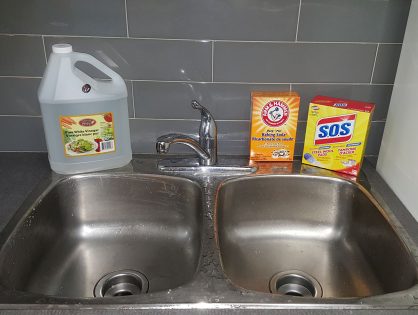
Cleaning a stainless steel sink naturally is simple and effective. Follow these easy steps to restore shine and remove stains without harsh chemicals. This process uses common household items that are safe and eco-friendly.
Prepare The Sink
Clear the sink of dishes and debris. Rinse it with warm water to remove loose dirt. This step helps the cleaning paste stick better and work well.
Apply Baking Soda Paste
Mix baking soda with a little water to form a thick paste. Spread the paste evenly over the sink surface. Baking soda gently removes stains without scratching the steel.
Add Vinegar For Fizzing Action
Spray or pour white vinegar over the baking soda paste. The fizzing helps lift grime and kills bacteria. Let it sit for about 5 minutes to work deeply.
Scrub Gently
Use a soft sponge or cloth to scrub the sink in circular motions. Focus on areas with stains or buildup. Avoid steel wool or harsh scrubbers to prevent scratches.
Rinse Thoroughly
Rinse the sink well with warm water to wash away all residue. Make sure no baking soda or vinegar remains. Leftover paste can dull the sink’s shine.
Dry And Buff
Use a clean, dry cloth to dry the sink fully. Buff the surface to bring out a bright, polished finish. Drying prevents water spots and keeps the sink looking new.
Removing Tough Stains Naturally
Removing tough stains from a stainless steel sink can feel like a big job. Strong chemicals might damage the surface or leave a bad smell. Natural methods work well and keep the sink shiny and safe. These ways use simple ingredients that you may already have at home. They clean deeply but gently, without harsh effects.
Lemon And Salt Scrub
Cut a lemon in half and sprinkle salt on the cut side. Rub the lemon on the stained areas using the salt as a scrub. The lemon’s acid breaks down stains while salt adds a gentle scrub. Rinse with warm water and dry with a soft cloth for a bright finish.
Vinegar Soak
Soak a cloth in white vinegar and place it over the stains. Let it sit for 10 to 15 minutes. Vinegar’s acid loosens tough grime and mineral build-up. Remove the cloth and wipe the sink with a clean sponge. Rinse well and dry to stop water spots from forming.
Baking Soda Paste With Hydrogen Peroxide
Mix baking soda with a little hydrogen peroxide to make a thick paste. Apply the paste to stubborn stains and let it sit for 5 minutes. Baking soda gently scrubs while hydrogen peroxide brightens the surface. Use a soft cloth to rub the paste in circles. Rinse thoroughly and wipe dry for a clean, fresh sink.
Preventing Future Stains
Preventing stains on a stainless steel sink keeps it looking shiny and new. Stains can build up from daily use and hard water. Taking simple steps can stop stains before they start. A clean sink is easier to use and more pleasant to see.
Regular Cleaning Routine
Wipe the sink daily with a soft cloth and warm water. Use mild soap for a quick clean. Rinse the sink well to remove soap residue. Dry the sink with a towel to avoid water spots. Regular cleaning keeps dirt and stains away.
Avoiding Harsh Chemicals
Harsh cleaners can damage the sink’s surface. Stay away from bleach and abrasive powders. These can cause scratches and dull the finish. Choose natural cleaners like baking soda or vinegar. They clean well and protect the steel.
Proper Sink Maintenance
Do not leave wet sponges or cloths in the sink. Remove food scraps quickly to avoid stains. Use a sink mat to protect the surface. Check for rust spots and clean them promptly. Good care helps the sink last longer and stay bright.
Tips For Maintaining Shine
Keeping your stainless steel sink shiny takes regular care. Small habits help keep the surface bright and smooth. Natural methods work well to maintain its sparkle without harsh chemicals. These tips make your sink look clean and new for longer.
Use Olive Oil Polish
Olive oil is great for adding shine to stainless steel. Put a few drops on a soft cloth. Rub the oil gently over the sink surface. This creates a natural polish that boosts the shine. It also helps protect against water spots and stains.
Buff With Microfiber Cloth
Microfiber cloths work best for shining stainless steel. They pick up dirt and polish without scratching. After cleaning, buff the sink with a dry microfiber cloth. This step removes streaks and adds a smooth finish. Your sink will look bright and fresh.
Avoid Abrasive Tools
Scrubbing pads and steel wool can damage the sink surface. These rough tools cause scratches that dull the shine. Use soft sponges or cloths for cleaning. Gentle tools keep the sink smooth and shiny. This helps maintain its natural beauty longer.

Frequently Asked Questions
How Do I Clean A Stainless Steel Sink Naturally?
To clean naturally, use baking soda and white vinegar. Sprinkle baking soda, scrub gently, then rinse with vinegar. This removes stains and kills bacteria without chemicals.
What Natural Ingredients Remove Stains From Stainless Steel Sinks?
Baking soda and lemon juice effectively remove stains. Baking soda acts as a mild abrasive, while lemon juice breaks down grime and adds shine.
Can Vinegar Damage Stainless Steel Sinks?
No, diluted white vinegar is safe for stainless steel. It cleans and disinfects without harming the surface when used properly and rinsed well.
How Often Should I Clean My Stainless Steel Sink Naturally?
Clean your sink naturally at least once a week. Frequent cleaning prevents stains and buildup, keeping your sink shiny and hygienic.
Conclusion
Cleaning your stainless steel sink naturally keeps it shiny and fresh. Use simple ingredients like baking soda and vinegar for best results. These items are safe and easy to find. Regular cleaning prevents stains and buildup. It also helps your sink last longer.
A clean sink makes your kitchen look neat and inviting. Give these tips a try and enjoy a sparkling sink every day. Natural cleaning works well without harsh chemicals. Keep your kitchen healthy and eco-friendly with this method.

