

Bagged vacuums trap more dust and allergens; bagless vacuums offer easier, lower-cost maintenance.
Today's Exclusive Deals
Limited-time Exclusive Deals. Check current discount on Amazon.
Check Price on Amazon As an Amazon Associate I earn from qualifying purchases.If you are comparing a bagged vs bagless vacuum, you are really choosing between cleaner air, easier upkeep, and long-term cost. I have tested both types in real homes, and the best choice often depends on your floor type, allergy needs, and how much mess you clean each week. This guide breaks down bagged vs bagless vacuum options in a simple, practical way so you can buy with confidence.

Bagged vs bagless vacuum: what the difference really means
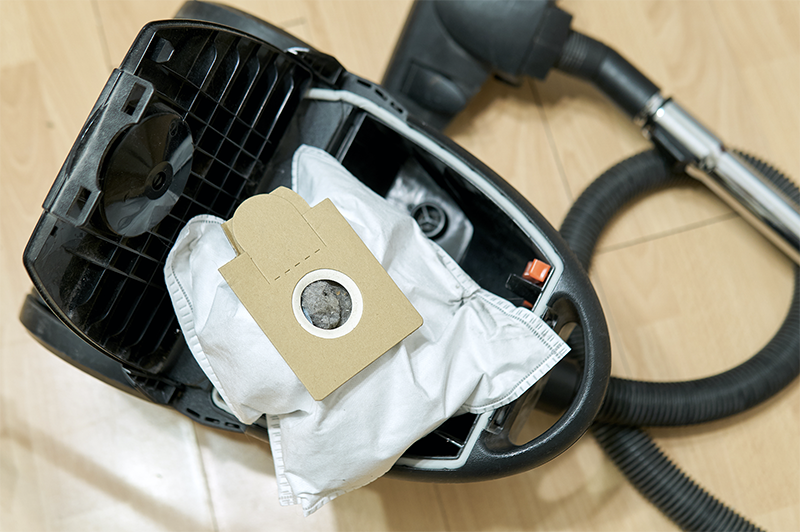
A bagged vacuum collects dirt in a sealed disposable bag. When the bag is full, you remove it and throw it away. That design keeps dust mostly inside the machine, which is one reason many people with allergies prefer it.
Today's Exclusive Deals
Limited-time Exclusive Deals. Check current discount on Amazon.
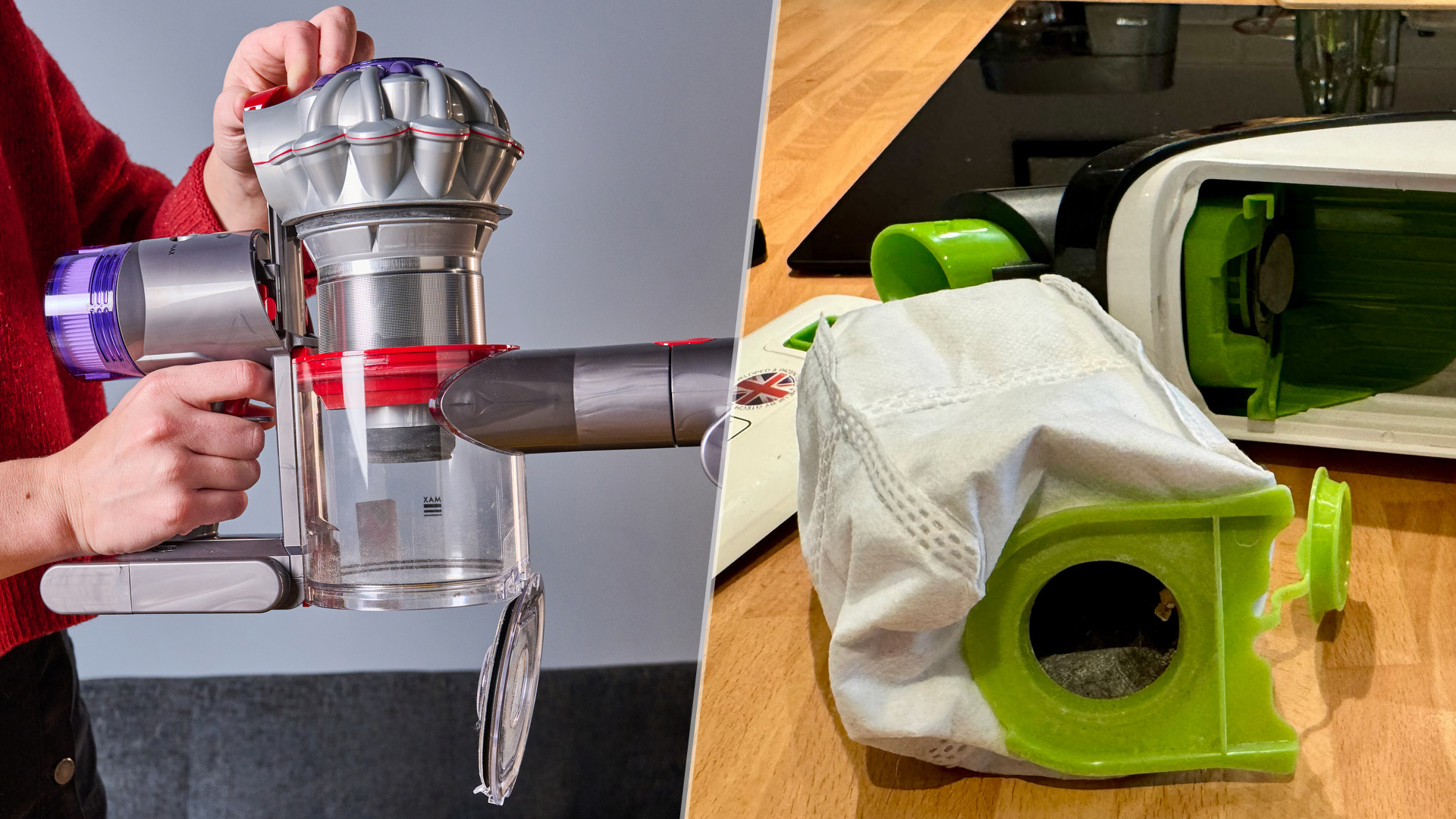
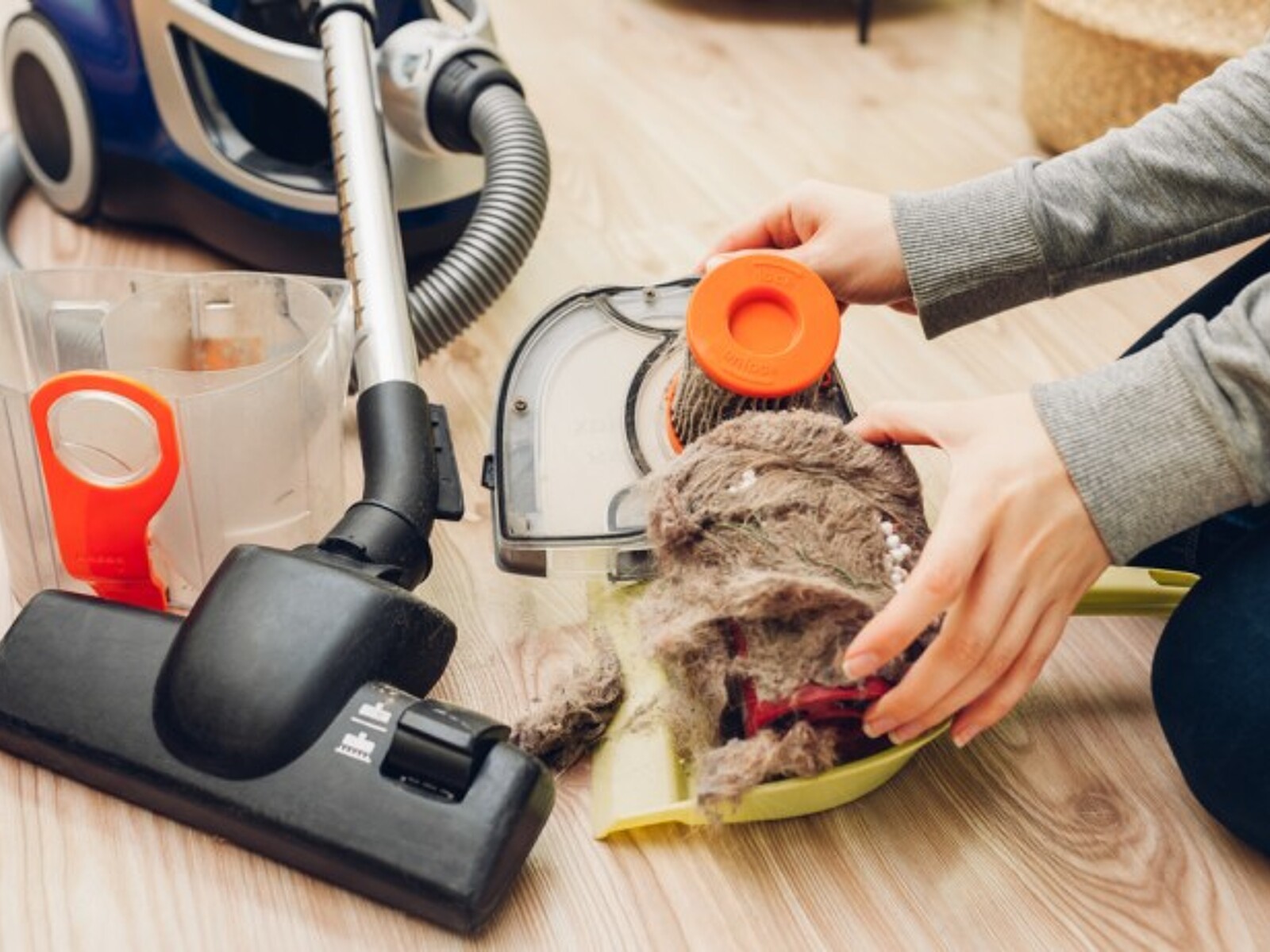
Check Price on Amazon As an Amazon Associate I earn from qualifying purchases.A bagless vacuum uses a dust bin instead of a bag. You empty the bin directly into the trash, which saves on replacement bags. The tradeoff is that emptying the bin can release a puff of dust, especially if the bin is very full or the filter is overdue for cleaning.
In simple terms, bagged vacuums focus on containment, while bagless vacuums focus on convenience. That difference affects smell, maintenance, cost, and even how clean the air feels after vacuuming.

Bagged vs bagless vacuum: pros and cons
When people ask me about bagged vs bagless vacuum models, I usually tell them to think about their daily routine first. A vacuum should fit your life, not make cleaning feel like another chore. Here is where each type tends to shine.
Today's Exclusive Deals
Limited-time Exclusive Deals. Check current discount on Amazon.
Check Price on Amazon As an Amazon Associate I earn from qualifying purchases.Bagged vacuum pros
Bagged vacuums are often the better pick for people who want cleaner disposal and less dust exposure. They also tend to hold more debris before needing attention.
- Better for allergy and asthma concerns because dirt stays sealed
- Less dust released when emptying
- Usually cleaner to handle
- Often has larger capacity
- Bags can help filter fine particles before they reach the motor
Bagged vacuum cons
Bagged vacuums are not perfect. The biggest downside is ongoing cost, since you need to buy replacement bags.
- Requires buying bags over time
- Can lose suction if the bag gets too full
- You may not notice the bag is near full right away
- Less eco-friendly if you dislike disposable items
Bagless vacuum pros
Bagless vacuums are popular because they feel simple and cost-effective day to day. I have found them handy for quick cleanups after snacks, pet hair, or tracked-in dirt.
- No bags to buy
- Easy to see when the bin needs emptying
- Good for quick, frequent cleaning
- Often lighter and easier to maintain
Bagless vacuum cons
The downside is that emptying the bin can be messy. If you have allergies, this is often the part that changes your mind.
- Dust can escape when emptying
- Filters need regular washing or replacement
- Bin capacity is usually smaller than a bagged vacuum
- Can be more annoying to clean around the dust cup and cyclone system
Bagged vs bagless vacuum: which one cleans better
Cleaning power is not just about suction. It also depends on how well the vacuum keeps dirt contained after pickup. In many homes, both bagged and bagless vacuum models can clean carpets and hard floors very well if the design is strong.
Where bagged vacuums often win is fine dust control. The sealed bag and better filtration can help trap tiny particles more effectively. This can matter if you have pets, allergies, or a home with lots of soft surfaces like rugs and drapes.
Bagless vacuums can still clean very well, especially newer models with strong cyclonic separation and HEPA filters. But their performance can drop if the filter is clogged or the bin is not emptied often enough. In my experience, bagless models feel great at first, then slowly lose that edge if the owner skips maintenance.
A useful rule is this: the best vacuum is the one you will keep clean. A premium vacuum with poor upkeep will underperform a midrange model that is serviced regularly.
Bagged vs bagless vacuum: cost over time
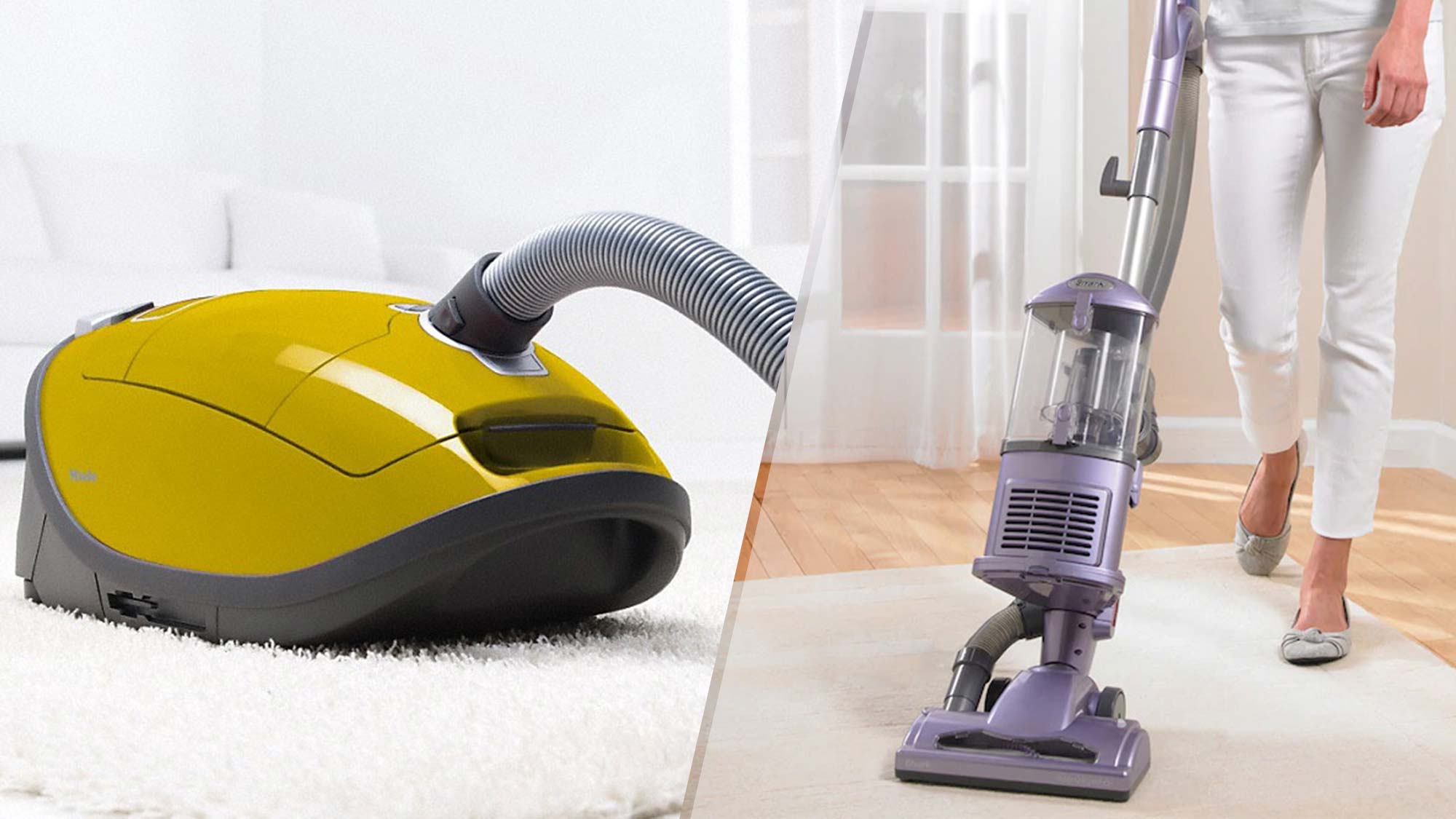
Price is one of the biggest reasons people compare bagged vs bagless vacuum systems. The sticker price does not tell the whole story. You also need to think about supplies, filters, and the life of the machine.
Bagged vacuums usually cost less to maintain in terms of cleaning effort, but more in consumables. Bags add up over time, especially in busy homes or homes with pets. That said, one bagged vacuum I used in a rental home stayed cleaner inside for years because the dust never coated the bin and motor area.
Bagless vacuums save money on bags, but filters and seals can wear out. If the filter needs frequent washing or replacement, the savings shrink. The dust cup may also require more attention, which costs you time even if it does not cost cash.
Here is the simple math:
- Bagged vacuum: lower mess, ongoing bag cost
- Bagless vacuum: no bag cost, more filter care
If you vacuum often and hate buying supplies, bagless may feel cheaper. If you care more about low-mess cleanup and cleaner air, bagged can be worth the extra cost.

Bagged vs bagless vacuum: allergies, dust, and air quality
For many households, this is the deciding factor. If someone in your home has allergies, asthma, or strong sensitivity to dust, bagged vs bagless vacuum choice matters more than people think.
Bagged vacuums usually win on dust containment. The bag acts like a barrier, so dirt stays sealed until disposal. This can reduce exposure when you empty the machine, which is often the dustiest part of the job.
Bagless vacuums can still work for allergy-prone homes, but only if they have strong filtration and are emptied carefully. HEPA filters help a lot, and they are a major reason some bagless models perform well in this category. Even so, emptying a bin in a closed laundry room can still kick up particles.
A practical tip from experience: if you have allergies, empty a bagless bin outdoors whenever possible. Also wash your hands after cleaning the dust cup, because tiny particles love to cling to plastic surfaces like static on a balloon.

Bagged vs bagless vacuum: maintenance and ease of use
Maintenance is where the personality of the vacuum really shows. Bagged vacuum ownership feels a bit like taking out a trash can liner. Bagless ownership feels more like washing dishes after every meal.
Bagged vacuums are simple:
- Replace the bag when full
- Check filters as needed
- Keep the machine otherwise closed and clean
Bagless vacuums ask for more hands-on care:
- Empty the bin often
- Clean filters on schedule
- Rinse dust cups when buildup starts
- Watch for clogs in the cyclonic path
I once used a bagless vacuum in a home with two shedding dogs. It worked well, but only when I stayed on top of filter cleaning. When I got lazy, the suction dropped fast and the dust cup became a sticky mess. That experience taught me something useful: bagless vacuums reward regular care, while bagged vacuums forgive a little more neglect.
If you want the easiest routine, bagged is usually simpler. If you do not mind a little upkeep and like seeing the dirt you removed, bagless can feel satisfying.
Bagged vs bagless vacuum: pets, hair, and strong messes
Pet owners often ask about bagged vs bagless vacuum performance because pet hair changes everything. Hair, dander, litter, and tracked dirt can stress a vacuum fast. The right choice depends on how often you clean and how much shedding you deal with.
Bagged vacuums are often better for homes with heavy pet dander. The sealed bag keeps hair and odor contained, and that can make a huge difference when the vacuum is stored in a closet or laundry room. Many pet owners also like that they are not staring at a bin full of fur every time they clean.
Bagless vacuums are useful for visible messes. If your dog drags in grass or your cat scatters litter, being able to see the bin fill up can be helpful. Just know that pet hair can tangle around filters and cyclones, so you may spend more time cleaning the machine itself.
Best practice for pet homes:
- Choose strong suction and a motorized brush roll
- Look for HEPA filtration if allergies are present
- Empty bins or bags before they are packed full
- Check brush rolls for wrapped hair often
For heavy pet homes, I usually lean bagged. For lighter pet cleanup and a budget-friendly setup, bagless can still be a smart buy.

Bagged vs bagless vacuum: which is better for hardwood floors and carpet
Floor type matters a lot. A vacuum that feels perfect on hardwood may struggle on thick carpet. That is why bagged vs bagless vacuum debates should always include the surfaces in your home.
On hardwood floors, both types can do well if they have a good hard-floor setting and soft brush controls. A lighter bagless vacuum may be easier to move around chairs and baseboards. On the other hand, a bagged vacuum can be better if you want less dust floating back into the room.
On carpet, especially medium or thick pile, suction and brush performance matter most. Many bagged uprights do a strong job here because they often maintain airflow well as debris collects. Bagless models can also work beautifully, but the filter and bin need attention to keep performance steady.
If your home has mixed floors, look for:
- Adjustable suction
- Brush roll on and off control
- Sealed filtration
- A design that handles both edges and deep carpet
The best bagged vs bagless vacuum for mixed floors is usually the one with the right attachments and airflow design, not just the one with the flashiest label.
Bagged vs bagless vacuum: how to choose the right one for your home
The right choice depends on your habits more than the marketing claims. I have seen people buy the wrong vacuum because they chased one feature and ignored everything else. A “great” vacuum can still be a bad fit if it does not match your routine.
Choose a bagged vacuum if:
- You want cleaner disposal
- Someone in the home has allergies or asthma
- You vacuum less often but want low mess
- You do not mind buying bags
Choose a bagless vacuum if:
- You want lower ongoing supply costs
- You clean often and prefer fast emptying
- You like seeing how much dirt you picked up
- You do not mind regular filter care
A few practical questions to ask yourself:
- How often do I vacuum?
- Do I mind emptying dusty bins?
- Do I have allergies?
- Do I have pets that shed a lot?
- Do I want the lowest upkeep or the lowest supply cost?
If you answer those honestly, the bagged vs bagless vacuum decision gets much easier.
Bagged vs bagless vacuum: my practical buying tips
Over time, I have learned that the best vacuum purchase is rarely the one with the biggest number on the box. It is the one that fits your real home life. Here are the tips I would share with a friend.
- Pick a vacuum with strong filtration, not just strong suction
- Check how easy it is to replace the bag or wash the filter
- Make sure the dust capacity fits your home size
- Look for sealed systems if allergies matter
- Test the weight if you will carry it upstairs
- Read the owner manual for maintenance frequency before buying
One mistake I see all the time is ignoring maintenance. A bagless vacuum with neglected filters can start acting tired after a few months. A bagged vacuum with the wrong bag size can also lose performance, so fit and routine matter on both sides.
If you want a vacuum that feels cleaner and easier to live with, think beyond the machine itself. Think about how you will use it every week. That is where the real value shows up.
Frequently Asked Questions
Is a bagged vacuum better than a bagless vacuum for allergies?
Yes, often it is. Bagged vacuums usually contain dust better during disposal, which can reduce exposure to allergens. Bagless vacuums can still work if they have HEPA filtration and are emptied carefully, but they usually create more dust contact.
Do bagless vacuums lose suction faster?
They can if the bin gets too full or the filters are clogged. Regular emptying and filter care help keep suction steady. Bagged vacuums can also lose suction when the bag fills up, so both need maintenance.
Which lasts longer, bagged or bagless vacuum?
It depends on the build quality and how well you maintain it. A well-made vacuum of either type can last for years, but bagless models may need more frequent cleaning to stay in good shape. Bagged models often stay cleaner inside, which can help reduce wear from dust buildup.
Are bagless vacuums really cheaper?
Usually, yes, at least upfront over time because you do not buy bags. But you may spend more effort cleaning filters and dust cups, and some models need replacement filters. The real savings depend on how often you vacuum and how expensive the replacement parts are.
What is the best vacuum type for pet hair?
For heavy pet hair, many people prefer bagged vacuums because they contain fur and dander better. Bagless vacuums can also handle pet hair well if they have strong suction and easy-to-clean brush rolls. The key is choosing a model built for pets, not just bagged or bagless design.
Conclusion
Bagged vs bagless vacuum comes down to what matters most in your home: cleaner disposal, lower supply cost, allergy control, or easy day-to-day use. Bagged vacuums usually win for dust containment and low-mess cleanup, while bagless vacuums appeal to people who want convenience and fewer ongoing purchases.
If you want the simplest choice, match the vacuum to your lifestyle, your floors, and your cleaning habits. That one decision can make cleaning feel lighter, faster, and far less frustrating. Take a few minutes to compare the details before you buy, and you will likely end up with a vacuum that feels like a help, not a hassle.


1 Comment
Pingback: Stick Vacuum Vs Upright Vacuum: Which Is Better? - Vacuum Cleaner Tips