

Keeping your pool crystal clear can be a tough job. You might be wondering whether a robotic pool vacuum or a manual pool vacuum is the better choice for you.
Each option has its own benefits and challenges that can impact your time, effort, and budget. By the end of this article, you’ll know exactly which vacuum suits your needs and how it can make your pool cleaning easier and more enjoyable.
Ready to find out which pool vacuum will save you time and stress? Let’s dive in!
Robotic Pool Vacuum Basics
Robotic pool vacuums offer a modern way to clean pools without much effort. They work automatically and save time compared to manual cleaning. Understanding their basics helps you see why many pool owners prefer them. These devices use smart technology to keep your pool sparkling clean with little help from you.
How Robotic Vacuums Work
Robotic pool vacuums move around the pool on their own. They use sensors to avoid obstacles and cover every corner. Inside, a motor powers brushes and suction to pick up dirt and debris. The vacuum collects waste in a filter bag or cartridge. After cleaning, you just empty the filter. Some models connect to Wi-Fi for remote control.
Key Features And Benefits
Robotic vacuums have strong suction and scrubbing brushes. They clean the pool floor, walls, and waterline. These devices save energy by running on low power. They reduce the need for harsh chemicals by removing debris early. Most models are lightweight and easy to handle. Using a robotic vacuum means less physical work for you. They work quietly and clean efficiently, making pool care simple and fast.
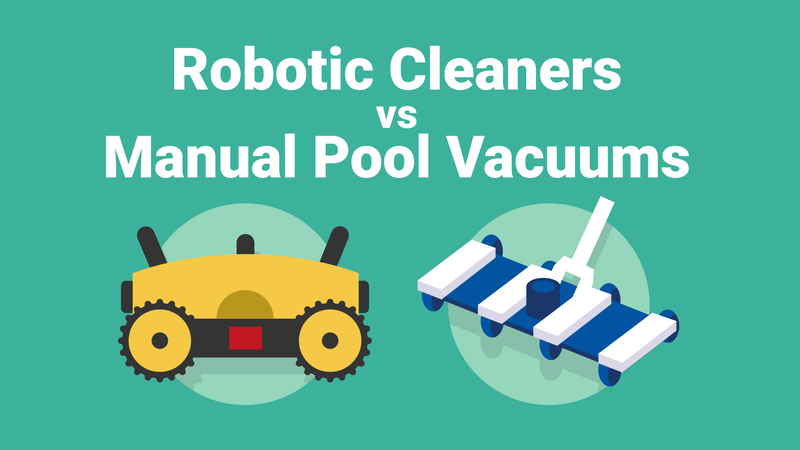
Manual Pool Vacuum Essentials
Manual pool vacuums are a popular choice for many pool owners. They offer control and flexibility during cleaning. Using a manual vacuum means you guide the device by hand. It requires more effort but lets you focus on specific dirty spots.
Understanding how to operate the vacuum and knowing its benefits and drawbacks helps you decide if it suits your pool care routine. Here are the essentials you need to know.
Operation And Techniques
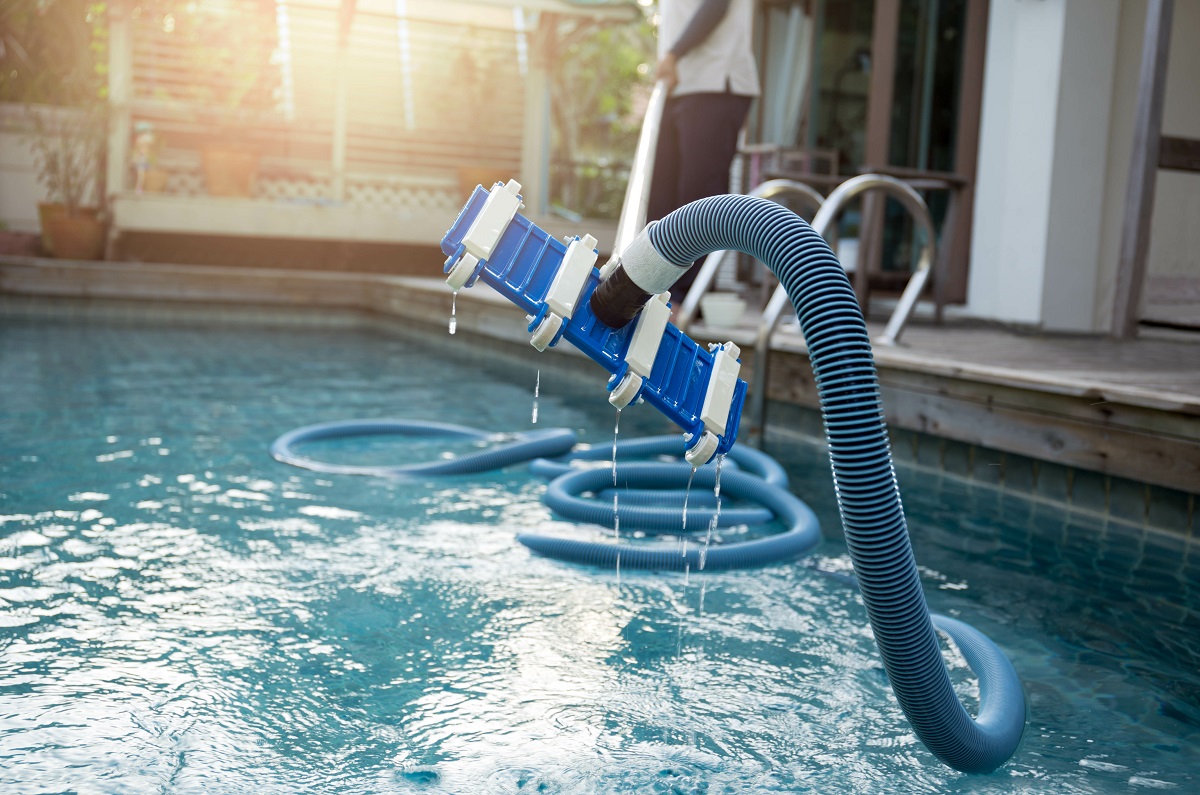
Manual vacuums connect to your pool’s filtration system. You attach the vacuum head to a telescopic pole and a hose. Move the vacuum slowly across the pool floor. Avoid rushing to pick up all dirt effectively.
Use gentle, overlapping strokes. Start from the pool walls to the center. This method ensures no spot is missed. Regularly check and clear the vacuum bag or filter to keep suction strong.
Pros And Cons
Manual vacuums are affordable and easy to find. They work without electricity, saving energy costs. You control cleaning intensity and focus on problem areas.
Cons include the time and effort needed. Cleaning large pools can be tiring. It may take longer than automatic options. Skill and patience are needed for best results.
Cleaning Efficiency Comparison
Cleaning efficiency is key to keeping pools clear and inviting. Choosing the right vacuum affects how well your pool stays clean. Robotic and manual vacuums differ in how they handle dirt and surfaces. Understanding these differences helps you pick the best option for your pool.
Performance On Different Pool Surfaces
Robotic vacuums adjust easily to various pool surfaces. They work well on tiles, vinyl, and concrete. Their brushes and sensors clean thoroughly without damaging surfaces. Manual vacuums need more effort to adapt. They might miss spots on rough or uneven surfaces. Robotic models provide more consistent cleaning on all surfaces.
Handling Debris And Dirt
Robotic vacuums capture fine dirt and large debris effectively. Their filters trap tiny particles that manual vacuums may miss. Manual vacuums depend on suction power and user skill. They can struggle with heavy debris like leaves or twigs. Robotic vacuums collect debris automatically and require less effort. This leads to cleaner water and less frequent maintenance.
Cost And Maintenance
Cost and maintenance play a big role in choosing a pool vacuum. Understanding these factors helps you pick the right tool. Both robotic and manual pool vacuums have different expenses and upkeep needs. This section breaks down these details for you.
Initial Investment
Robotic pool vacuums cost more upfront. Prices often range from $300 to $1,000. These devices come with advanced technology and automation. Manual pool vacuums are cheaper. You can find them for $50 to $150. They require basic parts like hoses and brushes. The initial price can fit small budgets better.
Upkeep And Repairs
Robotic vacuums need regular cleaning of filters and brushes. Their electronic parts may require repairs over time. Replacement parts can be costly. Manual vacuums have fewer parts to maintain. Cleaning the vacuum and hoses is simple. Repairs usually involve fixing hoses or brushes. These repairs are usually less expensive. Manual vacuums often last longer with basic care.
Energy Use And Environmental Impact
Energy use and environmental impact are important factors when choosing a pool vacuum. They affect your electricity bills and the planet. Understanding these aspects helps you make a better choice.
Power Consumption
Robotic pool vacuums use electricity to clean your pool automatically. They usually consume less power than running a pool pump for manual vacuuming. Manual vacuums rely on your pool’s pump, which can use a lot of energy. Using a robotic vacuum can lower overall energy use by working efficiently on its own. It runs only when cleaning, not continuously like a pump.
Eco-friendliness
Robotic vacuums are designed to save water and energy. They do not rely on pool pumps, reducing wear and tear on pool equipment. This means fewer repairs and less waste. Manual vacuums depend on pool water circulation, which can waste more water and energy. Robotic vacuums also use filters to trap dirt, keeping your pool cleaner without chemicals. Choosing a robotic vacuum supports a greener, more eco-friendly pool care routine.
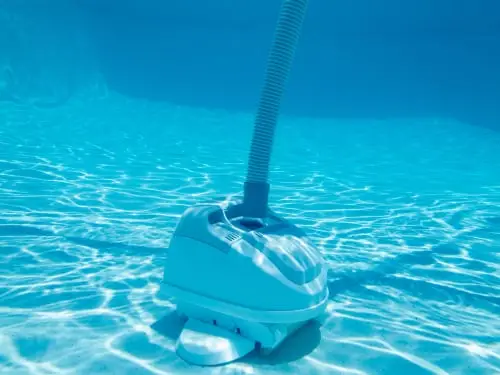
User Convenience And Time
Cleaning your pool can take up a lot of time and effort. Choosing the right vacuum affects how much work you need to do. User convenience and time are key factors in picking the best tool. Both robotic and manual pool vacuums offer different experiences. Understanding their setup and operation, along with the effort needed, helps you save time and energy.
Setup And Operation Time
Robotic pool vacuums need little setup. Just place them in the water and press start. They work independently, moving around the pool by themselves. Most models clean for about an hour without help. Manual vacuums take longer to prepare. You must connect hoses and attach the vacuum head. Then, you control the vacuum by hand or with a pole. This process can take 10 to 20 minutes before actual cleaning starts.
Effort Required
Robotic vacuums require almost no effort during cleaning. They do the work while you relax or do other tasks. You only need to empty the filter after use. Manual vacuums demand physical effort. You push the vacuum across the pool floor and walls. This can be tiring, especially in large pools. It needs constant attention and movement. For less work and more free time, robotic vacuums are easier to use.
Suitability For Different Pool Types
Choosing the right pool vacuum depends on the pool’s type. Different pools need different cleaning tools. Robotic and manual vacuums each have strengths. Understanding their suitability helps keep pools clean and safe.
Some pools are large and complex. Others have special features that affect cleaning. Matching the vacuum to the pool type saves time and effort.
Size And Shape Considerations
Large pools benefit from robotic vacuums. They cover wide areas without help. Manual vacuums work well for small pools. They allow precise cleaning in tight spaces.
Irregular shapes challenge manual vacuums. Robotic models adjust to curves and corners. Flat, simple shapes are easier for both types.
Special Pool Features
Pools with stairs or ledges suit robotic vacuums. They climb and clean uneven surfaces. Manual vacuums may miss these spots.
Pools with many accessories need careful cleaning. Manual vacuums offer control around fragile parts. Robotic vacuums avoid obstacles but may miss tight areas.
Making The Right Choice
Choosing between a robotic pool vacuum and a manual pool vacuum depends on many factors. This decision affects your cleaning routine and pool maintenance. Understanding your needs helps make the right choice. Consider your budget, lifestyle, and long-term benefits. These points will guide you through the options.
Budget And Lifestyle Factors
Robotic pool vacuums cost more upfront than manual ones. They run on electricity and clean with little effort from you. If you have a busy schedule, a robotic vacuum saves time and energy. Manual vacuums are cheaper but need more work. They suit people who enjoy hands-on cleaning or have smaller pools. Think about how much time you want to spend cleaning. Choose the option that fits your daily routine and wallet.
Long-term Value
Robotic vacuums may seem costly but offer great long-term value. They reduce the need for pool chemicals and keep water clearer. These vacuums work automatically and often last several years with proper care. Manual vacuums require more physical effort and frequent replacement parts. They might cost less upfront but add up over time. Consider maintenance costs and energy use. Investing in a robotic vacuum can save money and effort in the long run.
Frequently Asked Questions
What Are The Main Differences Between Robotic And Manual Pool Vacuums?
Robotic vacuums operate automatically with built-in filters and sensors. Manual vacuums require hand-pushing and manual filter cleaning. Robots save time and effort, while manuals offer more control but need physical work.
Which Pool Vacuum Is More Cost-effective Long-term?
Robotic vacuums have higher upfront costs but save money on labor and maintenance. Manual vacuums are cheaper initially but require more time and effort, possibly increasing overall costs.
How Do Robotic Pool Vacuums Improve Cleaning Efficiency?
Robotic vacuums navigate the pool independently, scrubbing surfaces thoroughly. They remove debris effectively and reach hard-to-access areas. This leads to a more consistent and thorough clean compared to manual vacuums.
Are Manual Pool Vacuums Better For Small Pools?
Manual vacuums are ideal for small pools due to their low cost and easy maneuverability. Robotic vacuums can be excessive for small pools and may not justify their higher price.
Conclusion
Choosing between a robotic and manual pool vacuum depends on your needs. Robotic vacuums save time and effort. Manual vacuums cost less and give you control. Both clean pools well but in different ways. Think about your budget, pool size, and how much work you want.
Either option will help keep your pool clean and ready to enjoy. Simple, practical, and effective. Your clean pool awaits.

